
If you plan a trip to Egypt, the Egyptian Museum in Cairo should be on your itinerary. With over 120,000 artifacts on display, the museum houses the world’s most extensive collection of ancient Egyptian antiquities, over 5,000 years.
Visiting the Egyptian Museum is a must-do activity for travelers to Egypt, whether you’re a history buff, an art lover, or just curious about the ancient world. In this article, we’ll take you on a virtual museum tour and provide all the information you need to plan your visit, including tips for making the most of your time and insider insights into the museum’s collections.
So, get ready to explore the wonders of ancient Egypt and discover why the Egyptian Museum is one of the most important cultural attractions in the world.

The History of the Egyptian Museum
The Egyptian Museum was founded in 1835 by the Egyptian government under the rule of Muhammad Ali Pasha as part of a larger effort to modernize the country and promote Egyptian culture and heritage.
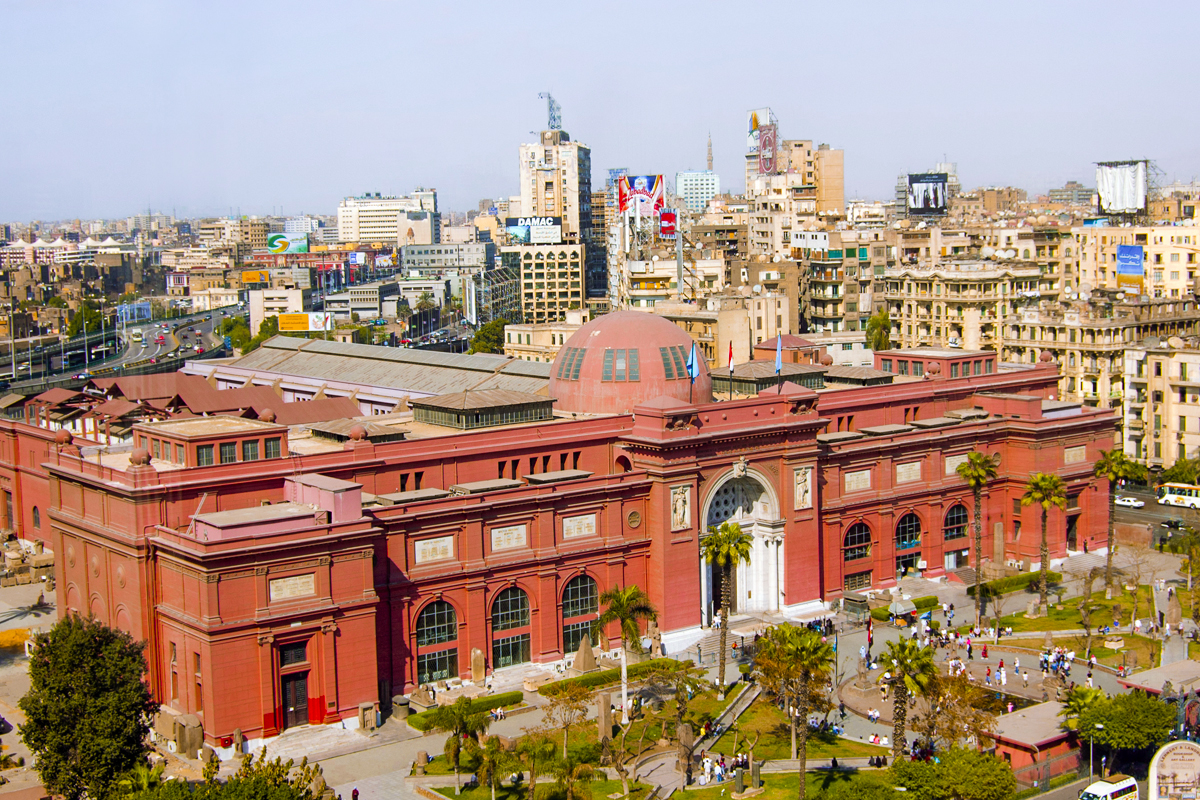
Initially housed in a temporary location in the Azbakeya district of Cairo, the museum was moved to its current location in Tahrir Square in 1902, in a building designed by French architect Marcel Dourgnon.
Over the years, the museum has undergone several renovations and expansions, including construction of a new wing in 1931 to house the treasures of King Tutankhamun’s tomb. The museum’s collections have also grown significantly, thanks to archaeological discoveries, donations from private collectors, and acquisitions from other museums and institutions.
The museum’s collections are organized chronologically and thematically, with artifacts ranging from prehistoric times to the Islamic period. Some of the most important and well-known items in the museum’s collections include the Rosetta Stone, the statue of Khafre.
The Egyptian Museum has played a significant role in shaping the cultural identity of modern Egypt, serving as a symbol of the country’s rich history and heritage. Today, the museum remains one of the most important cultural institutions in Egypt and a popular destination for tourists worldwide.
What to Expect at the Egyptian Museum
The Egyptian Museum is a vast and sprawling complex with dozens of galleries and exhibits spread over two floors. To help you plan your visit, here’s a brief overview of what you can expect to see at the museum.
The Ground Floor
The museum’s ground floor is home to some of the oldest and most important artifacts in the museum’s collections, including prehistoric objects, pottery, and jewelry from the predynastic period.
Here, you’ll also find the famous Narmer Palette, which depicts the unification of Upper and Lower Egypt and is considered one of the most important artifacts in Egyptian history.
The Upper Floor
Some of the notable collections that you might find on the upper floor of the Egyptian Museum include:
The Amarna Period Collection focuses on the reign of Akhenaten and his wife Nefertiti, and the artistic and cultural changes that took place during their reign.
The Middle Kingdom Collection: This collection showcases artifacts from the period between the Old and New Kingdoms of ancient Egypt, including important art and architectural pieces.
Overall, the upper floor of the Egyptian Museum is a fascinating and educational experience for anyone interested in ancient Egyptian civilization and history. It is home to some of the most important collections and artifacts from this period and is a must-see destination for anyone visiting Cairo.

Tips for Visiting the Museum
Given the size and scope of the museum, it’s a good idea to plan your visit in advance and prioritize the galleries and exhibits that interest you the most.
Be sure to wear comfortable shoes, as you’ll be doing a lot of walking, and consider hiring a guide or taking an audio tour to help you navigate the museum’s collections. Finally, be prepared for crowds, as the museum is one of the most popular tourist attractions in Cairo, especially during the peak travel season.
Planning Your Visit to the Egyptian Museum
If you’re planning a visit to the Egyptian Museum, here are some tips to help you make the most of your experience.
Best Time to Visit: The museum is open daily from 9 am to 5 pm, except Fridays when it closes at 4 pm. If you want to avoid the crowds, it’s best to visit early in the morning or later in the afternoon, as the museum tends to be busiest around midday.
How to Get There: The museum is in central Cairo, just a short walk from Tahrir Square. If you’re staying downtown, you can easily walk to the museum or take a taxi or Uber for a small fee. If you’re coming from further afield, several public transportation options are available, including the Cairo Metro and local buses.
If you’re a student or under 18, bring your student ID or passport with you to receive the discounted rate. Tickets can be purchased at the museum’s ticket office or online in advance to avoid waiting in line.
Accessibility Information: The Egyptian Museum is accessible to wheelchair users and visitors with disabilities. Ramps and elevators are available throughout the museum, as well as designated parking spaces for disabled visitors.
If you have any specific accessibility needs, contact the museum in advance to make arrangements. Additionally, visitors with disabilities are entitled to a discounted admission fee upon presentation of their disability ID or relevant documents.
Insider Tips for Visiting the Egyptian Museum
Here are some insider tips to help you make the most of your visit to the Egyptian Museum.
Avoiding Crowds and Lines: As one of Cairo’s most popular tourist attractions, the Egyptian Museum can get crowded, especially during peak travel.
To avoid crowds and lines, try visiting early in the morning or later in the afternoon. Alternatively, consider purchasing a skip-the-line ticket or booking a guided tour in advance.
Guided Tours and Audio Guides: If you want to learn more about the museum’s collections and history, consider booking a guided tour or renting an audio guide.
Guided tours can be booked in advance through the museum’s website, or you can hire a local guide at the entrance to the museum. Audio guides are available for rent at the museum’s ticket office.
Taking Photos in the Museum: Photography is allowed in most museum areas, except a few galleries containing sensitive or fragile artifacts. If you plan on taking photos, be sure to bring a camera with a low light setting, as some areas of the museum can be quite dimly lit. Also, consider getting a tripod or stabilizer to ensure your photos appear sharp and clear.
Additional Activities in the Surrounding Area: The Egyptian Museum is located in the heart of Cairo, meaning there are plenty of other things to see and do in the surrounding area.
Some nearby attractions include the Cairo Tower, the Khan el-Khalili bazaar, and the Citadel of Cairo. If you’re looking for a break from the city, consider taking a boat ride on the Nile River or visiting one of Cairo’s many parks and gardens.
Frequently Asked Questions About the Egyptian Museum
Here are some frequently asked questions about the Egyptian Museum:
What are the museum’s hours of operation?
The Egyptian Museum is open every day from 9:00 AM to 5:00 PM.
What are the admission prices for the museum?
Admission prices vary depending on your age and nationality. For adults, the standard admission price is 240 Egyptian pounds (roughly $15 USD).
Are there any restrictions on what you can bring into the museum?
Yes, there are restrictions on what you can bring into the museum. Prohibited items include large bags or backpacks, food and drink, and tripods or selfie sticks.
Can you take photos inside the museum?
Yes, photography is allowed in most areas of the museum, but there are a few galleries that prohibit photography due to the sensitivity or fragility of the artifacts.
What are some must-see exhibits or artifacts in the museum?
Some of the most popular exhibits in the museum include the Tutankhamun galleries, the Royal Mummy Room, and the Old Kingdom exhibit.
If you’re planning a trip to the Egyptian Museum, there are plenty of resources available to help you prepare. The museum’s official website has information on admission prices, hours of operation, and upcoming events. Additionally, many travel guides and blogs offer tips and advice on visiting the museum, including recommendations for guided tours, nearby attractions, and local restaurants.
Conclusion
Visiting the Egyptian Museum is an unforgettable experience that should not be missed by anyone traveling to Egypt. With its rich history, fascinating collections, and beautiful architecture, the museum offers a unique glimpse into Egypt’s ancient culture and civilization.
Throughout this article, we’ve covered the museum’s history, collections, exhibits, insider tips, and practical information for planning your visit. From the must-see artifacts like Tutankhamun’s golden mask to the galleries’ lesser-known treasures, the Egyptian Museum has something for everyone.
If you’re planning a trip to Egypt, include a visit to the Egyptian Museum in your itinerary. It’s an experience you won’t forget and will help you better appreciate the country’s rich history and culture. Whether you’re a history buff, an art lover, or simply looking for a unique and educational experience, the Egyptian Museum is not to be missed.