
The Great Sphinx of Giza is one of the most awe-inspiring monuments in the world — a colossal limestone statue that has fascinated travelers, historians, and explorers for centuries. Standing silently on the Giza Pyramids, near the Great Pyramids, this half-human, half-lion guardian has watched over Egypt’s sands for more than 4,500 years. In 2026, the Sphinx continues to captivate the imagination of millions of visitors who travel to Egypt to witness its grandeur and to uncover the secrets it still holds.
For anyone planning an Egypt tour, standing before the Great Sphinx is an unforgettable experience — one that connects you with the world’s oldest civilizations and their magnificent architectural genius. Whether you’re visiting on a day trip from Cairo or as part of a full Egypt travel package, the Sphinx is not just a stop — it’s a journey through time.
This post will explore the history and significance of the Great Sphinx of Giza in detail, including its design, symbolism, and connection to Egyptian mythology. We’ll also provide practical tips and recommendations for travelers visiting the Great Sphinx of Giza, including how to get there, what to wear, and what to expect when visiting this historic site. So, get ready to journey through ancient history and explore one of Egypt’s most iconic landmarks.
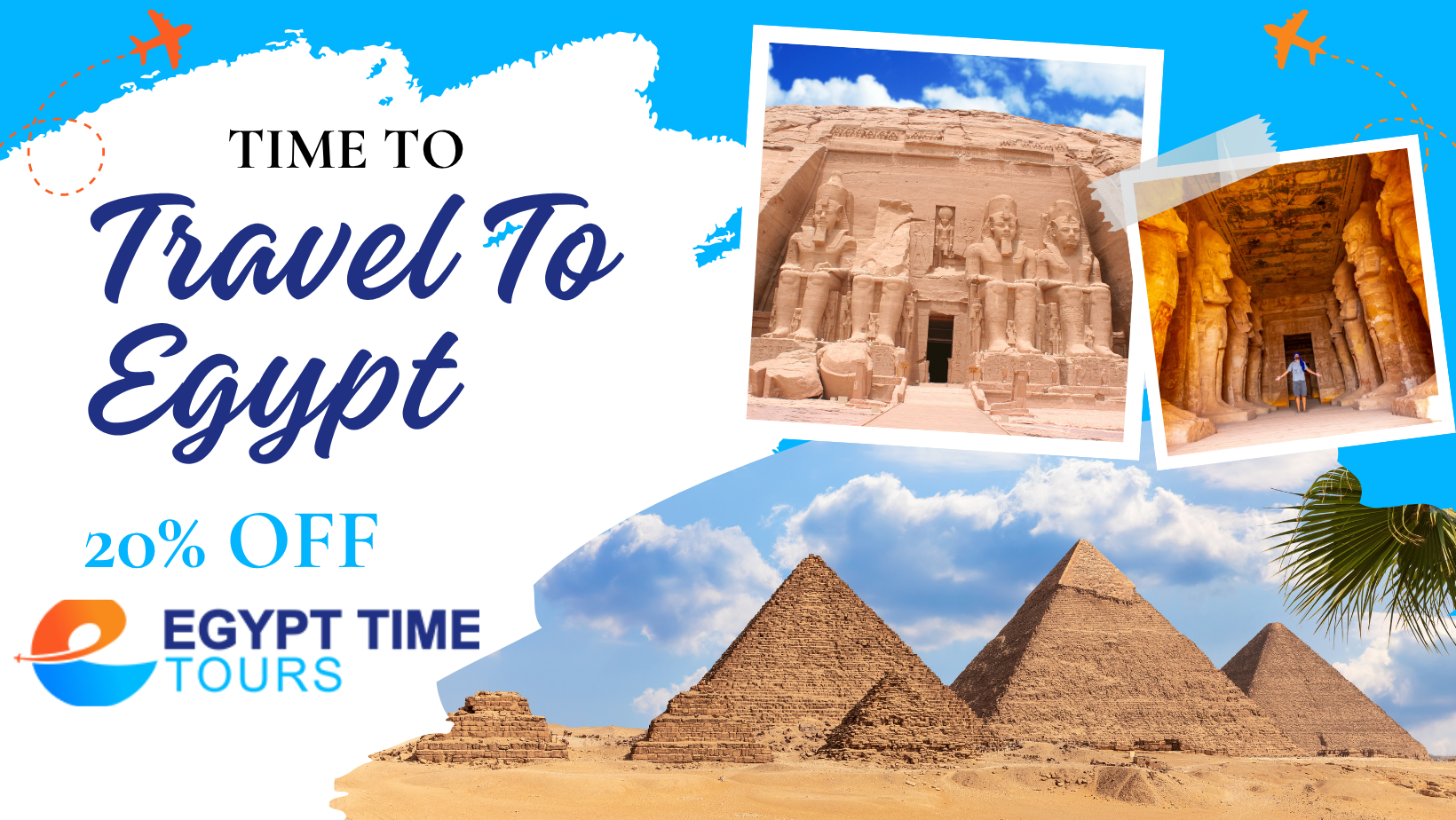
Planning Your Visit – Egypt Tours to the Great Sphinx of Giza
For those planning to visit Egypt in 2026, the Great Sphinx of Giza is part of almost every major Egypt tour package. Whether you’re coming for a short Cairo city break or a full 10-day Nile cruise itinerary, seeing the Sphinx is a highlight that connects your journey to Egypt’s past.
Travel agencies, including ours, offer tailored experiences that let you explore the Sphinx and nearby attractions comfortably and insightfully. Typical tours include transportation, entrance tickets, professional Egyptologist guides, and often a visit to the Grand Egyptian Museum.
For travelers who love photography or history, private tours at sunrise or sunset provide the most magical atmosphere. You can also extend your visit to explore the Pyramids of Giza, Saqqara Step Pyramid, and Dahshur, creating a complete tour of Egypt’s ancient architecture.
If you’re planning a 2026 Egypt holiday, book early to secure the best packages, as demand for Egypt’s cultural tourism continues to rise. The country’s enhanced infrastructure, new museums, and improved visitor facilities make it one of the top destinations for 2026.
The experience of standing before the Sphinx — seeing its silent gaze and feeling its age-old presence — is unlike any other in the world. It’s not just a photograph; it’s a moment that stays with you forever.
History of the Great Sphinx of Giza
The Great Sphinx of Giza is an ancient monument that has captured the attention and imagination of people worldwide for centuries. But who built this incredible structure, and what was its purpose? There are many theories about the Great Sphinx, but historians and archaeologists are still trying to uncover the true story of its origins.
According to some experts, the Great Sphinx was built by the pharaoh Khafre in the 26th century BC. Khafre was the son of the pharaoh Khufu, best known for building the Great Pyramid of Giza. The Great Sphinx was likely constructed as a symbol of Khafre’s power and authority, and it was originally situated in front of his pyramid complex.
However, other theories about the Great Sphinx suggest it may have had a different purpose. Some historians believe Khafre did not build the Sphinx but rather by an earlier civilization that predated the pharaohs. They point to evidence that suggests the Sphinx may have been carved from an existing rock formation rather than built from scratch.
Still others believe that the Great Sphinx was not intended as a monument at all, but rather as an astronomical observatory. They note that the Sphinx is aligned with certain celestial bodies and that its features may have been used to track the movements of the stars.
Despite all of these theories, the true purpose of the Great Sphinx remains a mystery. However, its enduring presence and impressive stature continue to draw visitors worldwide, and it remains an important symbol of ancient Egyptian civilization.

The Great Sphinx of Giza’s Features and Design
The Great Sphinx of Giza is an incredible feat of ancient engineering, and its impressive size and unique features have captivated visitors for centuries. The Sphinx stands at a height of 66 feet (20 meters) and measures 240 feet (73 meters) in length, making it one of the world’s largest and most recognizable monuments.
Perhaps the most striking feature of the Great Sphinx is its head, which is believed to represent the pharaoh, Khafre. The head of the Sphinx measures 13.5 feet (4.1 meters) in width and 20 feet (6 meters) in height, and it is carved from a single piece of limestone. The head is adorned with a traditional pharaoh’s headdress, which adds to its regal and imposing appearance.
The body of the Great Sphinx is equally impressive, with its massive paws and intricate details. The Sphinx is depicted as a reclining lion with the body of a human, and its muscular form is carved in exquisite detail. The paws of the Sphinx are particularly impressive, with each paw measuring over 50 feet (15 meters) in length and featuring sharp claws.
The Great Sphinx of Giza was constructed using various materials, including limestone, quarried from nearby areas. The Sphinx’s body was built using massive blocks of limestone carefully carved and placed to create the desired shape. As mentioned earlier, the head of the Sphinx was carved from a single piece of limestone, while the headdress was likely made from a different type of stone.
Overall, the design and features of the Great Sphinx of Giza are a testament to the skill and creativity of the ancient Egyptians. It’s imposing presence and intricate details continue to fascinate visitors today, and it remains one of the most iconic and enduring symbols of ancient Egyptian civilization.
The Great Sphinx of Giza’s Symbolism and Significance
The Great Sphinx of Giza is an impressive architectural feat and holds great symbolism and significance in ancient Egyptian culture. To the ancient Egyptians, the Sphinx was a sacred symbol of the sun god, Ra, and it played an important role in their religious beliefs and practices. The Sphinx was seen as a protector of the pharaoh and his people, and it was believed to possess magical powers that could ward off evil spirits and protect against harm.
In Egyptian mythology, the Sphinx was associated with the god Horus, often depicted as a falcon. The Sphinx was seen as a manifestation of Horus and believed to possess his divine power and wisdom. The Sphinx’s human face was thought to represent the pharaoh’s divine nature, while its lion body symbolized strength and protection.
The Great Sphinx of Giza is also closely connected to the pyramids built nearby. The Sphinx was originally intended to be a guardian of the pharaoh’s tomb. It is believed that it was built during the reign of Pharaoh Khafre, who is also thought to have commissioned the construction of the second-largest pyramid at Giza.
Today, the Great Sphinx of Giza continues to hold a special place in the hearts and minds of people worldwide. Its symbolism and significance in ancient Egyptian culture are a testament to the enduring power of human creativity and imagination. It’s impressive size and unique features inspire and awe visitors from all walks of life. Whether you are a history buff, an architecture enthusiast, or simply someone who appreciates the wonders of the ancient world, the Great Sphinx of Giza is a must-see destination that will leave a lasting impression.
In conclusion, the Great Sphinx of Giza is an iconic symbol of ancient Egyptian civilization that has captivated people’s imaginations for thousands of years. From its impressive size and unique design to its deep symbolism and significance in Egyptian culture, the Sphinx continues to inspire and awe visitors worldwide.
The Sphinx and Its Connection to the Pyramids
The Great Sphinx of Giza stands at the eastern edge of the Giza Plateau, directly facing the rising sun and perfectly aligned with the Pyramid of Khafre, its presumed builder. This relationship between the Sphinx and the pyramids reflects the sophisticated design and symbolic thinking of ancient Egyptian architecture.
The Giza Plateau itself was a sacred landscape, designed as a cosmic map connecting the pharaohs to the divine. The three pyramids — belonging to Khufu, Khafre, and Menkaure — were aligned with specific stars in the Orion constellation, believed to represent Osiris, the god of the afterlife. The Sphinx, guarding the complex, symbolized protection and divine watchfulness.
Many researchers believe that the Sphinx’s role was to guard the tombs of the kings and the temple complex that lay between the pyramids and the Nile River. The nearby Sphinx Temple, built from the same limestone blocks removed during the statue’s carving, provides further clues to its religious purpose.
When visiting in 2026, travelers can explore both the Sphinx and its surrounding temples — including the Valley Temple of Khafre, a beautifully preserved structure where rituals for the deceased pharaoh took place. The proximity of these monuments helps modern visitors imagine the grandeur of ancient ceremonies, where priests offered prayers and gifts to the gods under the shadow of the mighty Sphinx.
Today, the Sphinx and pyramids together form one of the world’s most photographed and visited archaeological complexes — a highlight of every Egypt tour package.

Restoration and Preservation of the Great Sphinx
Preserving the Great Sphinx of Giza has been one of Egypt’s most challenging and ongoing archaeological efforts. Over 4,500 years of exposure to wind, humidity, and pollution have caused erosion and cracks in its limestone body. Ancient Egyptians themselves made the first repairs, applying stone blocks to reinforce damaged areas as early as 1400 BCE.
In modern times, extensive restoration projects began in the 20th century. Between the 1920s and 1990s, several teams — both Egyptian and international — undertook conservation work. Unfortunately, early restorations sometimes used inappropriate materials like cement, which trapped moisture and worsened damage. In recent decades, Egypt’s Ministry of Tourism and Antiquities has led careful restoration using advanced technology and natural limestone materials matching the original structure.
Environmental monitoring now helps detect changes in humidity and temperature that could affect the stone. Restoration teams also focus on protecting the Sphinx from urban pollution caused by Cairo’s expansion.
By 2026, Egypt’s authorities continue to implement advanced preservation methods to ensure the Sphinx remains standing for future generations. New visitor paths, observation areas, and digital mapping technology are helping travelers experience the monument while protecting it from further wear.
When you visit the Sphinx today, you’re not just seeing a relic — you’re witnessing a success story in heritage conservation. Every effort made ensures that this masterpiece endures another 4,000 years for future travelers to admire.
Visiting the Great Sphinx of Giza in 2026
A trip to Egypt in 2026 would be incomplete without standing before the majestic Great Sphinx of Giza. Located about 25 minutes from downtown Cairo, the Sphinx lies at the heart of the Giza Plateau, one of the most famous archaeological sites on Earth.
The best time to visit is early in the morning or late in the afternoon when the desert light adds a golden glow to the monument. The cooler months — from October to April — are ideal for exploring comfortably. As of 2026, visitors can access the area via organized tours, which often include the three Great Pyramids, the Valley Temple, and the Sphinx complex.
Photography enthusiasts will find endless inspiration here, especially during the Sound and Light Show at the Pyramids, where the Sphinx “speaks” through narration, recounting Egypt’s history in multiple languages under a spectacular laser-lit sky.
Travelers should also visit the Grand Egyptian Museum (GEM) nearby — set to be one of the world’s largest archaeological museums — where they can see artifacts connected to Khafre and the Giza Plateau. Many Egypt tour packages in 2026 combine visits to both sites for a complete experience of Egypt’s ancient wonders.
Whether you’re joining a private guide or an all-inclusive group tour, the Sphinx promises an unforgettable moment — one that makes you feel small before the vastness of time and history.
Conclusion
Throughout this article, we have explored the fascinating history and mythology of the Great Sphinx of Giza and its many features and design elements. We have learned about the materials used to construct the Sphinx, its dimensions, and its important role in ancient Egyptian culture and religion.
Visiting the Great Sphinx of Giza is an absolute must for travelers to Egypt. Whether you are a history buff, an architecture enthusiast, or simply someone who appreciates the wonders of the ancient world, the Sphinx is sure to leave a lasting impression. Not only is it an impressive feat of engineering and artistry, but it is also a powerful symbol of human creativity and imagination.
So, if you are planning a trip to Egypt, add the Great Sphinx of Giza to your itinerary. Take in the stunning views, marvel at its impressive size and design, and connect with this incredible ancient civilization’s rich history and culture.
The Great Sphinx of Giza is far more than an ancient statue — it is Egypt’s eternal guardian, a silent witness to human civilization’s greatest achievements. For travelers visiting Egypt in 2026, seeing the Sphinx is an essential part of understanding the country’s spirit, culture, and heritage.
From its mysterious origins to its connection with the pyramids, from centuries of restoration to the myths that surround it, the Sphinx remains one of the world’s most inspiring landmarks. Standing before it, you feel the same wonder that explorers and kings have felt for thousands of years.
A journey to the Great Sphinx is a journey through time — a chance to walk in the footsteps of pharaohs and to experience one of the most powerful symbols of human creativity ever built.
If you’re planning your Egypt tour for 2026, make sure the Sphinx is at the top of your list. Whether you visit it at sunrise as the light touches its ancient face, or during the magical evening sound-and-light show, the Great Sphinx of Giza will leave you with memories that last a lifetime.
In closing, we urge you to seize the opportunity to experience the wonder and awe of the Great Sphinx of Giza. Book your trip today and discover the magic and mystery of this incredible ancient wonder.