
Dakhla Oasis Egypt is located in Egypt and is one of the seven oases in the Western Desert. It is situated in the New Valley Governorate, approximately 350 kilometers southwest of the capital city of Cairo. Dakhla Oasis Egypt is known for its rich history and natural beauty. It has been inhabited since prehistoric times and was an important stop along ancient trade routes. The oasis is characterized by its palm groves, hot springs, and dunes, offering a picturesque and tranquil environment.
Ready to embark on an unforgettable journey? Let’s work together to plan your trip and choose the ideal through Plan Your Trip
The Natural Beauty of Dakhla Oasis Egypt
A Glimpse into the Western Desert
Dakhla Oasis Egypt is in the heart of the Western Desert, an awe-inspiring landscape characterized by vast expanses of golden dunes and rugged mountains. Its remote location provides a tranquil escape from the bustling cities, allowing visitors to immerse themselves in the serenity of nature.
Lush Palm Groves and Bubbling Springs
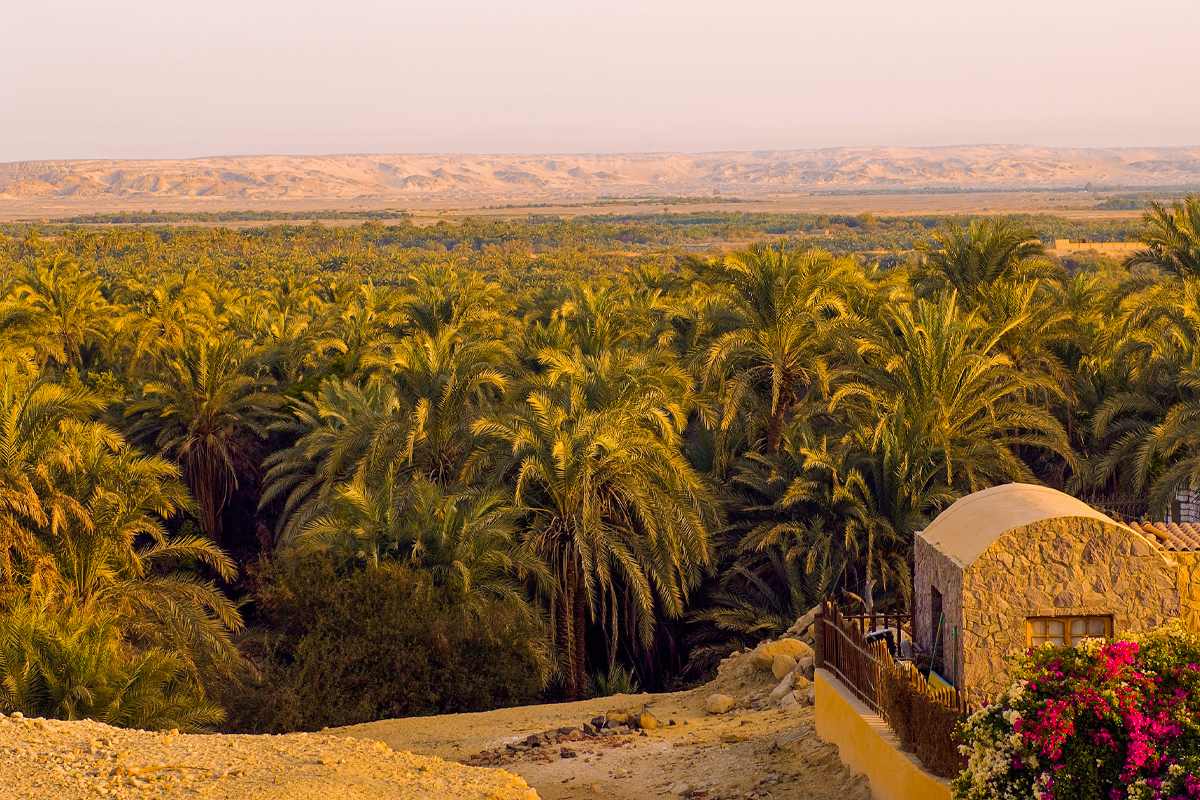
One of the most remarkable features of Dakhla Oasis Egypt is its lush palm groves, which provide a stark contrast to the surrounding arid desert. These verdant oases are fed by natural springs, creating a haven for numerous plant and animal species. Visitors can stroll through the shaded pathways, enjoying the soothing sounds of trickling water and the sweet scent of blossoming flowers.
The Majestic Great Sand Sea
Stretching across the horizon, the Great Sand Sea mesmerizes visitors with its vastness and ever-changing shapes. This majestic sea of sand offers a thrilling experience for adventure enthusiasts, who can partake in exhilarating activities such as sandboarding, dune bashing, and camel trekking. The mesmerizing sunset over the dunes creates a picture-perfect moment that will be etched in your memory forever.
Discovering Dakhla’s Ancient Heritage
The Remarkable Al-Qasr Village
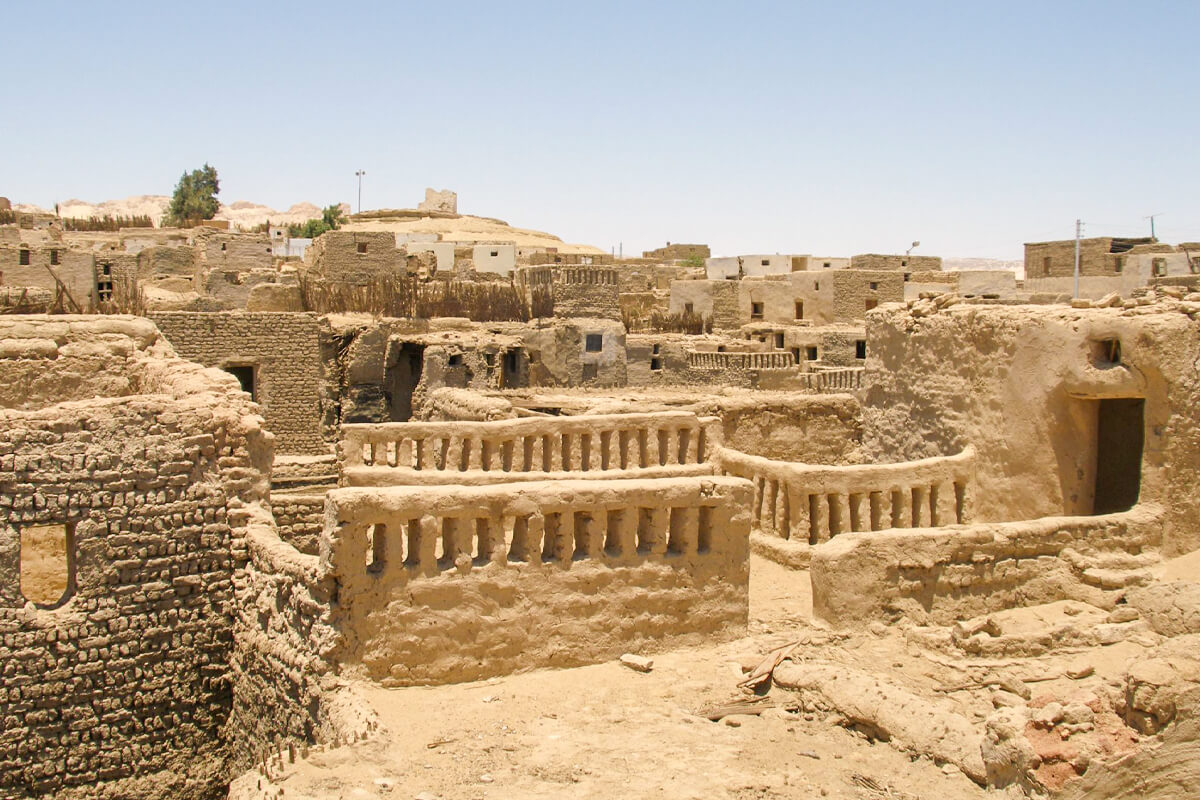
Step back in time as you wander through the historic streets of Al-Qasr Village. This well-preserved mud-brick settlement showcases the architectural marvels of ancient Egypt, with its labyrinthine alleys, traditional houses, and ornate doorways. Explore the ancient mosques and Coptic churches, and visit the fascinating Ethnographic Museum, which provides insights into the daily life and traditions of the oasis dwellers.
The Spellbinding Islamic Open-Air Museum
Dakhla Oasis Egypt is home to an extraordinary collection of Islamic monuments, forming an open-air museum that transports visitors to the medieval era. Admire the intricate carvings and decorative motifs of the Al-Muzawaka Mosque, and marvel at the grandeur of the Sheikh Nasr el-Din Mosque. These architectural wonders witness the oasis’s significant role in Egypt’s cultural and religious history.
Unraveling the Secrets of Deir el-Hagar Temple
Deep within the Dakhla Desert, the mysterious Deir el-Hagar Temple awaits discovery. Dedicated to the Egyptian deity Amun-Ra, this ancient temple boasts well-preserved reliefs and hieroglyphics that depict scenes from Egyptian mythology. As you explore the temple’s chambers, you’ll feel a profound connection to the past, unraveling the secrets of this ancient civilization.
Immersing in Dakhla’s Cultural Tapestry
Traditional Crafts and Artisans
Dakhla Oasis is renowned for its rich artisanal heritage. Take a stroll through the narrow lanes of Mut Village, where skilled artisans practice age-old techniques to create intricate pottery, vibrant textiles, and exquisite jewelry. Witness the artisans at work and even try your hand at these traditional crafts, creating your unique masterpiece to cherish as a souvenir.
The Vibrant Local Markets
No visit to Dakhla Oasis is complete without a visit to the bustling local markets. Engage your senses as you browse through various colorful stalls, offering an array of aromatic spices, handmade crafts, and locally produced goods. Interact with the friendly locals, who are always eager to share stories and insights about their culture and traditions.
Savoring Authentic Dakhla Cuisine
Indulge your taste buds with the flavors of Dakhla Oasis. The local cuisine is a delightful fusion of Egyptian and Bedouin influences, featuring grilled lamb kebabs, hearty lentil soups, and savory stuffed pigeons. Take advantage of the opportunity to savor traditional Bedouin tea brewed with aromatic herbs while enjoying the warm hospitality of the oasis’s inhabitants.
Exploring Outdoor Adventures in Dakhla Oasis Egypt
Desert safaris and hiking expeditions
Explore the immense desert vistas that surround Dakhla Oasis on a trip you will remember. Join a guided hike over the undulating dunes, and you may find yourself in a nomadic village or a hidden oasis. Exhilarating desert safaris provide an adrenaline-pumping experience for adventurers, enabling you to explore the Western Desert’s outlying regions.
Mineral-rich mud baths and steamy springs
Dakhla Oasis is home to several healing hot springs where visitors may unwind and replenish their energy. Submerge yourself in the soothing mineral-rich waters and forget your cares. Try slathering yourself in nutrient-rich clay while you soak in a mud bath for a one-of-a-kind experience.
Observing the Stars in Dakhla’s Clear Night Sky
A spectacular show in the night sky greets visitors to Dakhla Oasis. The oasis provides an ideal setting for those interested in astronomy due to its isolation and low levels of artificial light pollution. Relax on the warm sands of a desert and watch the constellations that have guided travelers for generations as they dance above.
Preserving Dakhla Oasis Egypt Heritage and Environment
Initiatives for Eco-Friendly Tourism
Dakhla Oasis is dedicated to sustainable tourism techniques that protect its rich cultural and environmental history. Waste management programs, eco-friendly lodging options, and community-driven conservation activities are just a few of the many initiatives to foster responsible tourism. Visitors may help ensure the long-term health of the oasis and its ecology by supporting these initiatives.
The Safeguarding of Threatened Species
Some of the many plant and animal species found in Dakhla Oasis Egypt are at risk of extinction. The ecosystems and the organisms that live in them are being protected. To ensure that future generations may also marvel at the oasis’s natural beauty, conservation efforts concentrate on raising awareness, conducting research, and adopting steps to protect the oasis’s biodiversity.
Safe and Responsible Vacationing
It is crucial to use sustainable tourism practices when visiting Dakhla Oasis Egypt. Ensure you don’t leave any traces behind, get permission before taking photos of individuals or their property, and adhere to local customs and traditions. You can help promote sustainable tourism practices and show respect for the oasis’s history by being a considerate visitor.
How to Get to the Dakhla Oasis
Dakhla Oasis, one of Egypt’s most beautiful and remote desert oases, is located in the Western Desert, roughly 350 kilometers from the Nile Valley and about 750 kilometers southwest of Cairo. Known for its lush date palms, golden dunes, and charming mud-brick villages like Al-Qasr, Dakhla is a dream destination for travelers seeking peace, history, and authentic desert life. Getting there, however, requires some planning, as the oasis is not as easily accessible as other Egyptian tourist sites. Here’s everything you need to know about how to get to Dakhla Oasis.
By Road – The Most Common Way to Reach Dakhla
The majority of travelers reach Dakhla Oasis by road, either by private car, rented vehicle, or public transportation. The main road connecting Dakhla to the Nile Valley begins from the town of Kharga, another oasis that serves as a gateway to Dakhla.
If you are traveling from Cairo, expect a journey of around 10 to 12 hours by road. Most travelers take the Cairo–Assiut Desert Road, then turn west towards Kharga Oasis, and finally continue on to Dakhla. The roads are well-paved and generally safe, but they pass through long stretches of desert, so make sure to have enough fuel, water, and snacks.
Buses and Public Transport
There are public buses that run between Cairo and Dakhla, usually operated by state-owned companies like Upper Egypt Bus Company. Buses typically depart from Cairo’s Turgoman Station (near Ramses Square) and travel overnight to Dakhla via Kharga. This is the most affordable way to get to Dakhla, though it may not be the most comfortable option.
If you are already in Luxor or Aswan, you can also take a bus heading west to Kharga and then transfer to another bus or microbus that continues to Dakhla Oasis.
Private Transfers and Tours
For a more comfortable and flexible journey, many travelers book private transfers through local tour operators or travel agencies. This option allows you to stop at scenic points along the way, explore other oases like Bahariya or Farafra, and travel at your own pace.
Some multi-day desert tours include Dakhla as part of a larger Western Desert itinerary, combining it with Farafra, White Desert, and Bahariya Oasis. If you want a hassle-free experience with accommodation, meals, and a guide included, booking such a package can be a great idea.
Getting to Dakhla by Air
Currently, there is no regular commercial airport in Dakhla Oasis, but there have been small domestic flights in the past connecting Cairo to Kharga or Dakhla for government or business purposes. These flights are not consistently available for tourists. If you are short on time, check with a local travel agent or EgyptAir office to see if there are any special flights operating at the time of your visit.
Conclusion
Discovering the oasis of Dakhla in Egypt’s Western Desert is like finding a hidden treasure. Natural beauty, historical significance, cultural vitality, and exciting activities combine to create this vacation spot. Dakhla Oasis Egypt will make a lasting impression on you whether you’re looking for peace among palm trees or a heart-pounding adventure in the desert. Set off on an adventure to learn more about this magical haven.
Dakhla Oasis Egypt has a conservative Islamic culture. It is advisable to dress modestly and respect local customs and traditions.