
4 days in Egypt is enough time to stand face to face with the Great Pyramid, sail the Nile at sunset, wander ancient tombs, and still leave room for the buzzing streets of Cairo. At Egypt Time Tours, we’ve spent 15 years designing itineraries for travelers who don’t have weeks to spare but refuse to settle for a rushed, checklist version of one of the world’s greatest destinations.
Whether you’re flying in for a short business trip extension, connecting through Cairo, or simply prefer focused, well-planned travel, our 4 days in Cairo Egypt packages are built to give you the best of Egypt in 4 days without the exhaustion of overplanning it yourself.
Is 4 Days Enough in Egypt?
It’s one of the most common questions we get, and the honest answer is yes, if your time is planned well. Egypt in 4 days won’t let you see every temple from Cairo to Abu Simbel, but it’s more than enough to experience the country’s essential highlights: the Giza Plateau, the Egyptian Museum, Islamic and Coptic Cairo, a Nile cruise or felucca ride, and a day trip to the Mediterranean coast.
Our guides know exactly how to sequence sites to avoid crowds, minimize transit time, and keep the pace comfortable rather than rushed. So if you’ve been asking yourself, “can you do Egypt in 4 days?”, the answer, with the right local team behind you, is a confident yes.
4 Days in Egypt Itinerary: Where to Go and What to See
Here’s how we typically structure a 4 days in Egypt itinerary, though every trip is customized around your interests, fitness level, and arrival time.
Day 1: Giza Pyramids and the Sphinx
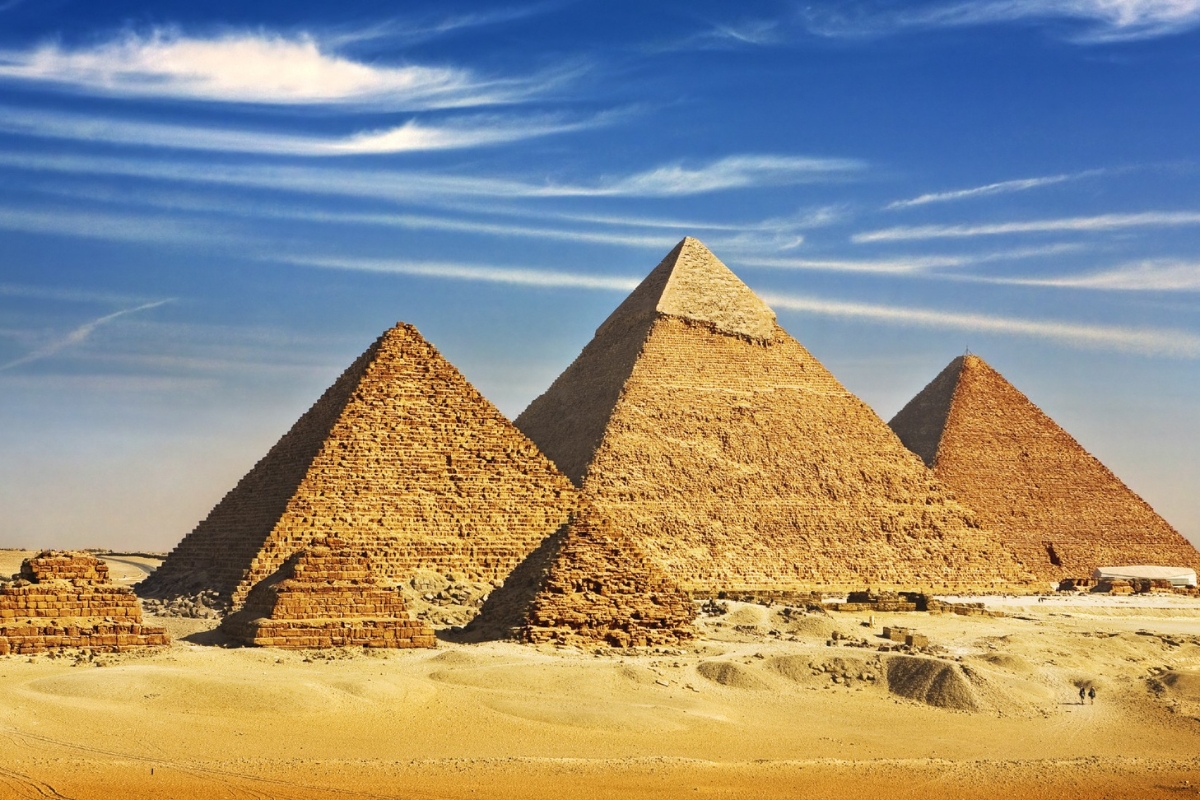
Your first full day is dedicated to the icons, the Great Pyramid of Khufu, the Pyramid of Khafre, the Pyramid of Menkaure, and the Great Sphinx. This is what most travelers picture when they imagine what to see in Egypt in 4 days, and we make sure you experience it properly: early access before the tour buses arrive, time inside a pyramid chamber if you choose, and a stop at a panoramic viewpoint for photos of all three pyramids together. In the afternoon, we visit the Solar Boat Museum and a local papyrus workshop.
Day 2: Egyptian Museum and Old Cairo
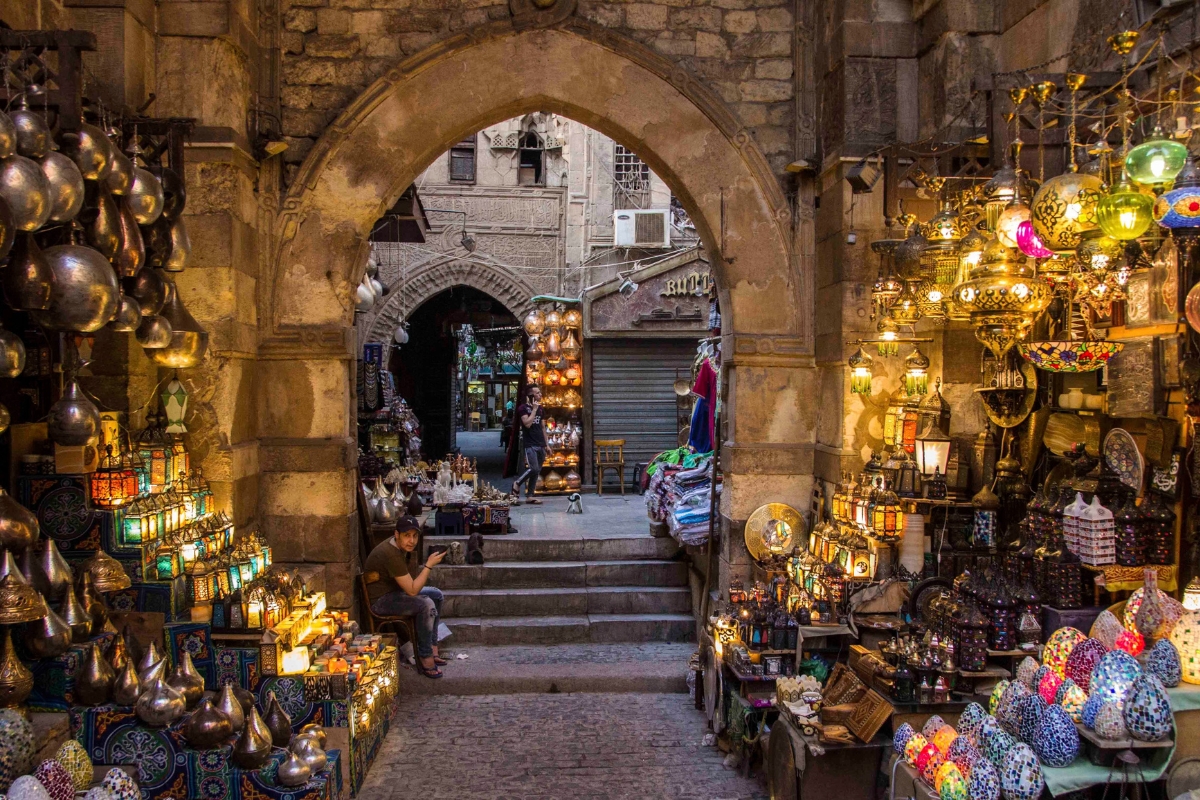
Day two answers the question of what to do in Egypt in 4 days beyond the pyramids. We start at the Egyptian Museum in Tahrir Square, home to Tutankhamun’s treasures and thousands of artifacts spanning 5,000 years of history. From there, we explore Old Cairo, the Hanging Church, Ben Ezra Synagogue, and Amr ibn al-As Mosque, followed by an evening in Khan el-Khalili bazaar for shopping, spices, and mint tea in a centuries-old coffeehouse.
Day 3: Alexandria, Egypt Day Trip
Many travelers overlook Alexandria, Egypt when planning a short trip, but a day trip from Cairo is one of our most requested additions. You’ll see the Catacombs of Kom el-Shoqafa, the Roman Amphitheater, the modern Bibliotheca Alexandrina, and the Mediterranean waterfront near the site of the ancient lighthouse. It’s a completely different atmosphere from Cairo, coastal, Greco-Roman, and relaxed, and rounds out your sense of Egypt’s layered history.
Day 4: Nile Felucca and Saqqara or Memphis
On your final day, we offer a choice depending on your interests: a peaceful felucca sail on the Nile, or a visit to Saqqara and Memphis to see the Step Pyramid of Djoser, the world’s oldest monumental stone structure, and the open-air museum at Memphis. This is a great half-day option if you have an evening flight, or a full day if you’d like to slow down before departure.
How to Spend 4 Days in Egypt Based on Your Travel Style
Not every traveler wants the same pace, so when guests ask us how to spend 4 days in Egypt, we usually start with a few questions of our own, history lovers, photographers, families, and honeymooners all get slightly different versions of this itinerary.
Families often appreciate more downtime and shorter walking distances, while history enthusiasts may prefer swapping Alexandria for extra time at Saqqara or a private Egyptologist-led tour of the museum. Egypt Time Tours builds every package around you, not the other way around.
Planning 4 Days in Egypt from the USA
If you’re planning 4 days in Egypt from USA, timing matters. Long-haul flights typically arrive in Cairo in the evening, so we recommend structuring your itinerary to begin the following morning and building in a buffer day if your schedule allows.
We coordinate airport pickup, hotel check-in, and your first tour day so there’s no wasted time adjusting to jet lag or navigating logistics on your own. Our English-speaking guides and private, air-conditioned vehicles make the transition smooth from the moment you land.
Why Book Your 4 Days in Egypt with Egypt Time Tours
With 15 years of on-the-ground experience, our team knows how to sequence sites around opening hours, prayer times, and seasonal crowd patterns, details that make the difference between a trip that feels rushed and one that feels complete.
Every package includes licensed Egyptologist guides, private transportation, skip-the-line entry where available, and 24/7 support throughout your stay. We handle the logistics so you can focus on actually experiencing Egypt.
The Citadel of Saladin & Mosque of Muhammad Ali
Travelers with a bit of extra flexibility often add the Citadel of Saladin to their Cairo day, a medieval hilltop fortress overlooking the city that houses the Mosque of Muhammad Ali, easily recognizable by its towering domes and slender minarets.
Al-Azhar Mosque and Islamic Cairo
Just below the Citadel, Al-Azhar Mosque stands as one of the oldest centers of Islamic learning in the world, and a short walk through the surrounding neighborhood of Islamic Cairo reveals centuries of layered architecture rarely seen by first-time visitors.
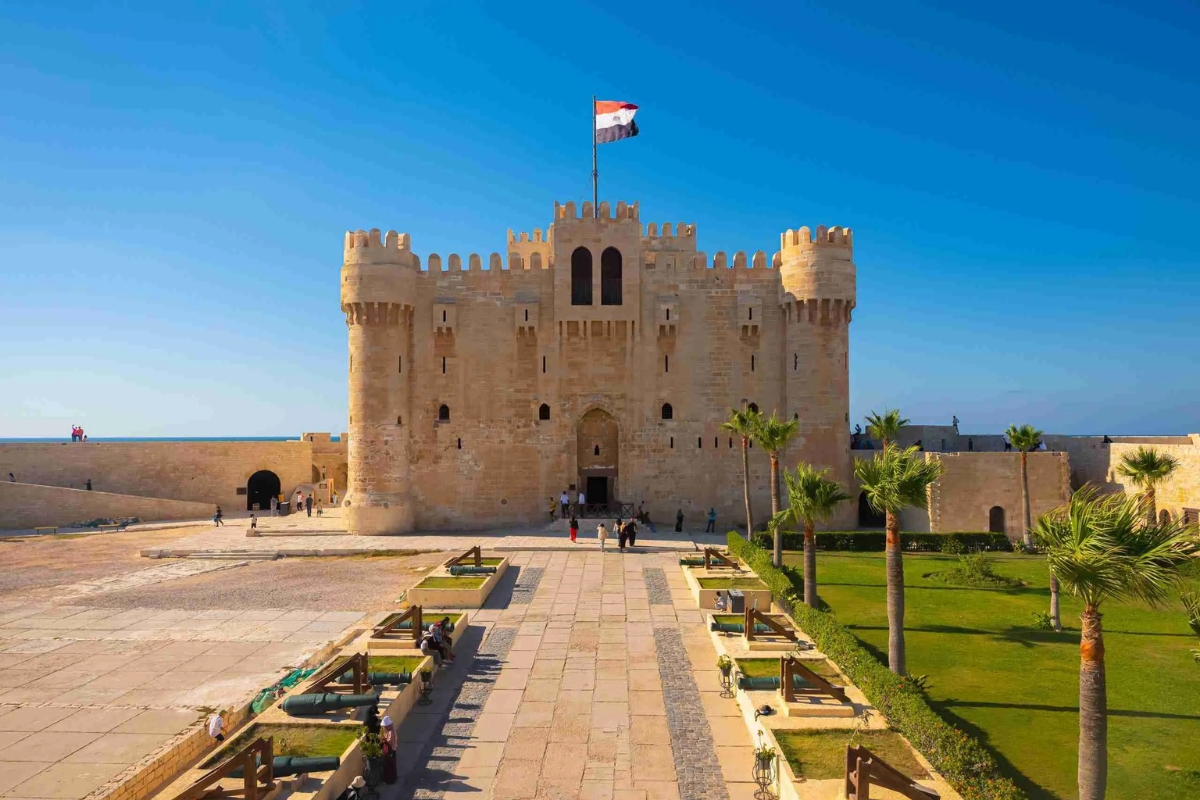
Qaitbay Citadel: Site of the Ancient Lighthouse
On the Alexandria leg of your trip, Qaitbay Citadel is worth the stop on its own. Built in the 15th century directly on the site of the ancient Lighthouse of Alexandria, one of the Seven Wonders of the Ancient World, the fortress now looks out over the Mediterranean where the original Pharos of Alexandria once stood.
Al-Muizz Street: Old Cairo’s Living History
For travelers who enjoy walking through living history, Al-Muizz Street in Old Cairo is a preserved medieval corridor lined with historic mosques, mausoleums, and merchant houses, offering a quieter alternative to the crowds of Khan el-Khalili.
Dahshur: The Bent and Red Pyramids
If your schedule allows a slight detour from Saqqara, Dahshur is home to the Bent Pyramid and the Red Pyramid, two lesser-visited but historically significant structures that predate the Great Pyramid of Giza and reveal how ancient builders perfected pyramid design.
Cairo Tower and the Zamalek Skyline
Back in the city, the Cairo Tower on Zamalek island offers panoramic views over the Nile and the sprawling skyline, making it a popular sunset stop for travelers looking to end a busy sightseeing day on a relaxed note.
A Nile Dinner Cruise Along the Corniche
Many of our guests choose to end an evening with a Nile dinner cruise, sailing past the lit-up Corniche while enjoying live music and traditional Egyptian entertainment, a relaxed way to experience the river after a day of walking through ancient sites.
Beyond 4 Days: Luxor and Aswan
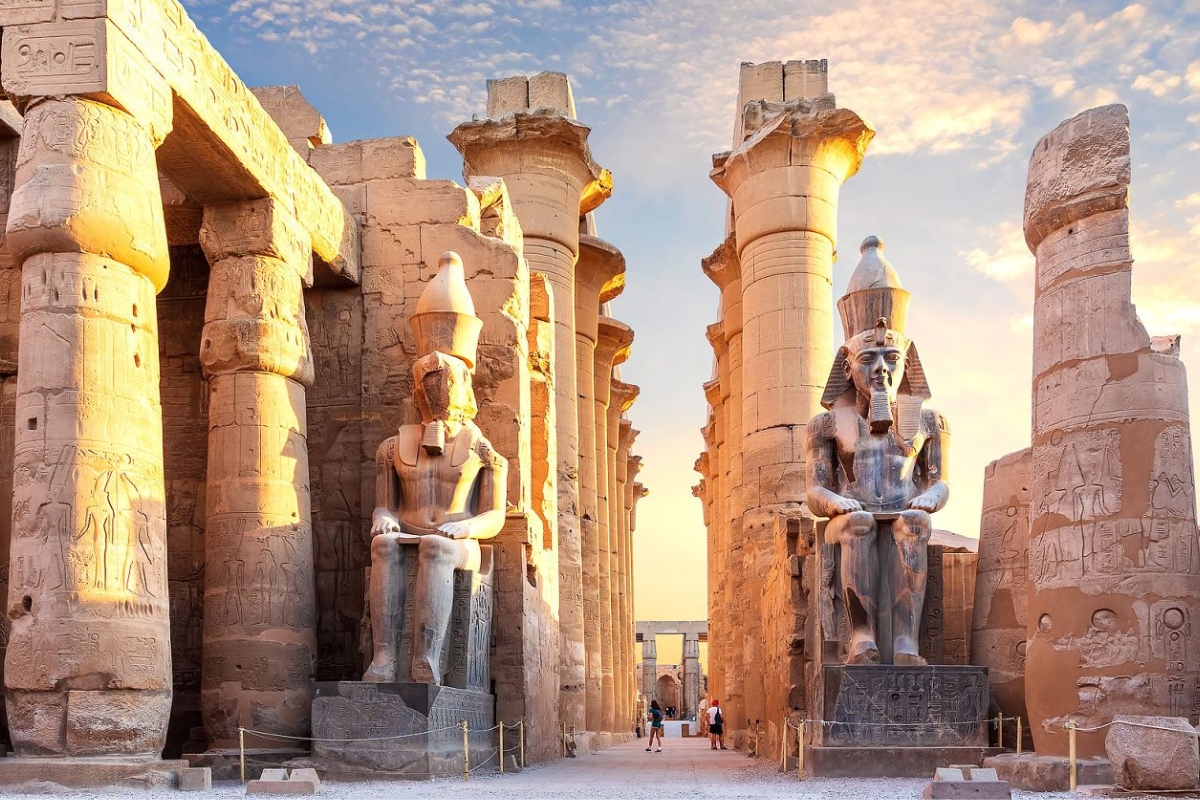
While four days keeps you centered around Cairo, Giza, and Alexandria, travelers with a little extra time sometimes extend their trip toward Luxor or Aswan, home to the Valley of the Kings, Karnak Temple, and the Aswan High Dam, giving a fuller picture of Upper Egypt.
Tasting Egypt: Koshari, Molokhia & Kofta
No trip to Egypt is complete without trying the local cuisine, and we always recommend guests sample koshari, Egypt’s national dish of rice, lentils, and pasta topped with spiced tomato sauce, alongside fresh molokhia and grilled kofta from a local Cairo restaurant.
Siwa Oasis: Egypt’s Desert Escape
For travelers drawn to Egypt’s desert landscapes, some extend their trip with a visit to Siwa Oasis, a remote governorate near the Libyan border known for its natural springs, salt lakes, and the ancient Oracle Temple once visited by Alexander the Great.
The Grand Egyptian Museum: A New Home for Tutankhamun’s Treasures
The Grand Egyptian Museum, located near the Giza Plateau, is one of the largest archaeological museums in the world and now houses the complete Tutankhamun collection in one place for the first time in history, including his iconic golden mask. Decades in the making, the museum was built with a direct view of the Great Pyramids and features a soaring atrium centered around a colossal statue of Ramses II relocated from Cairo’s Ramses Square.
The Great Pyramid of Khufu: The Last Standing Wonder
The Great Pyramid of Khufu is the oldest of the Seven Wonders of the Ancient World and the only one still standing today. Built around 2560 BC as a tomb for the Pharaoh Khufu, it originally stood over 146 meters tall and was covered in polished white limestone casing that would have made it gleam in the sun. For over 3,800 years, it held the title of the tallest man-made structure on Earth, a record unmatched until the construction of Lincoln Cathedral in the 14th century.
The Pyramid of Khafre and Its Original Casing Stones
Standing just beside the Great Pyramid, the Pyramid of Khafre appears taller at first glance due to its position on higher ground and steeper angle of construction. Near its peak, you can still see remnants of the original smooth limestone casing that once covered all three pyramids, offering a rare glimpse of what the Giza Plateau looked like in its original, polished state nearly 4,500 years ago.
The Pyramid of Menkaure: The Smallest of the Trio
The Pyramid of Menkaure is the smallest of the three major pyramids at Giza, yet it holds its own fascinating history. Unlike its larger neighbors, its lower section was originally cased in pink granite from Aswan rather than limestone, a detail that hints at unfinished construction plans interrupted by the pharaoh’s death. Three smaller subsidiary pyramids beside it are believed to have been built for his queens.
The Great Sphinx of Giza: Guardian of the Plateau
Carved from a single block of limestone, the Great Sphinx of Giza has the body of a lion and the face believed by many Egyptologists to represent the Pharaoh Khafre. Standing 20 meters tall and 73 meters long, it has watched over the Giza Plateau for over 4,500 years, and its missing nose remains one of Egypt’s most debated archaeological mysteries, with theories ranging from natural erosion to deliberate damage centuries later.
Old Cairo’s Sacred Trio: Hanging Church, Ben Ezra Synagogue, and Amr ibn al-As Mosque
Old Cairo is home to three of Egypt’s most significant religious sites standing within walking distance of one another. The Hanging Church, suspended above the gatehouse of a Roman fortress, dates back to the 3rd century and is one of the oldest Christian churches in Egypt. Nearby, the Ben Ezra Synagogue is linked to the legend of where the infant Moses was found, while the Amr ibn al-As Mosque, built in 642 AD, holds the title of the first mosque ever constructed in Africa.
Khan el-Khalili: A Bazaar with 600 Years of History
Founded in 1382, Khan el-Khalili has served as Cairo’s central marketplace for over six centuries, and its narrow alleyways are still lined with goldsmiths, spice merchants, and lantern makers practicing trades passed down through generations. At its heart sits El Fishawy, one of the oldest coffeehouses in Egypt, open continuously since 1773 and once a favorite haunt of Nobel Prize-winning author Naguib Mahfouz.
Alexandria’s Underground Wonder: The Catacombs of Kom el-Shoqafa
Discovered by accident in 1900 when a donkey fell through the ground, the Catacombs of Kom el-Shoqafa are considered one of the Seven Wonders of the Middle Ages. Carved three levels into the rock, the catacombs blend Egyptian, Greek, and Roman funerary styles in a single burial complex, reflecting Alexandria’s unique identity as a crossroads of ancient civilizations under Ptolemaic and Roman rule.
The Step Pyramid of Djoser: Where Stone Architecture Began
At Saqqara, the Step Pyramid of Djoser marks a turning point in architectural history as the world’s oldest large-scale stone structure, designed around 2670 BC by the legendary architect Imhotep. Its six-tiered design was a radical departure from earlier mudbrick tombs and directly paved the way for the smooth-sided pyramids later built at Giza, making it essential viewing for understanding how Egypt’s pyramid-building tradition began.
Frequently Asked Questions
Is 4 days enough in Egypt?
Yes, for the essentials. Four days comfortably covers the Giza Pyramids, the Egyptian Museum, Old Cairo, and either Alexandria or a Nile felucca ride. It won’t cover Luxor, Aswan, or the Red Sea, but it delivers a well-rounded first taste of the country.
Can you do Egypt in 4 days?
Absolutely. With a planned itinerary and private guide, four days is enough time to see Egypt’s most iconic sites without feeling rushed, especially if you focus on Cairo, Giza, and a nearby day trip like Alexandria.
What to see in Egypt in 4 days?
The Great Pyramids of Giza and the Sphinx, the Egyptian Museum, Old Cairo’s churches and mosques, Khan el-Khalili bazaar, and either Alexandria or Saqqara, depending on your interests.
What to do in Egypt in 4 days?
Beyond sightseeing, you can ride a camel near the pyramids, sail a felucca on the Nile, shop in a centuries-old bazaar, and sample Egyptian cuisine in local restaurants recommended by your guide.
4 days in Egypt where to go?
Base yourself in Cairo. It puts you within easy reach of Giza, Saqqara, Old Cairo, and a day trip to Alexandria, making it the most efficient base for a short trip.
Is 4 days in Egypt from the USA realistic given the flight time?
Yes, though we recommend arriving a day before your tours begin if possible, since flights from the US typically take 11–14 hours plus a layover. This gives you time to rest before your first full day of sightseeing.
Do I need a guide for 4 days in Cairo, Egypt?
It’s strongly recommended. A licensed guide saves time, provides historical context you won’t get on your own, and helps you avoid common tourist pitfalls, especially around the Giza Plateau and bazaars.