
Quick Answer: What is the best 4 days Egypt itinerary for 2027?
The best 4 days Egypt itinerary for first-time visitors combines the Pyramids of Giza, the Grand Egyptian Museum, historic Cairo, and either Saqqara or Luxor. Staying in Cairo for all four days offers the most comfortable experience, while adding Luxor by domestic flight lets you explore Karnak Temple and the Valley of the Kings. The right choice depends on your arrival time, budget, and preferred travel pace.
Four days in Egypt can be surprisingly rewarding, but the order of your sightseeing matters more than the number of attractions on your list.
You could spend your entire trip exploring Cairo and Giza, seeing monuments built more than 4,500 years ago, visiting the treasures of Tutankhamun, discovering medieval Islamic architecture, and enjoying an evening beside the Nile.
Alternatively, you could split your time between Cairo and Luxor to experience two distinct periods of ancient Egyptian civilization: the Old Kingdom pyramid builders in the north and the New Kingdom pharaohs who constructed monumental temples and royal tombs in Upper Egypt.
For most first-time visitors, the biggest planning mistake is trying to include Cairo, Luxor, Aswan, Abu Simbel, and the Red Sea in one four-day holiday. These destinations are spread across the country, and traveling between them can consume the time you hoped to spend exploring.
This 2027 itinerary explains exactly how to spend four days in Egypt, which attractions deserve priority, when domestic flights make sense, how to organize each day, what your trip might cost, and how to choose the best route for your travel style.
Is 4 Days Enough to Visit Egypt?
Yes, four days is enough to enjoy several of Egypt’s most important attractions, provided you concentrate on one or two destinations.
For a first visit, Cairo and Giza are the most practical starting points. The capital has access to the Giza Plateau, the Grand Egyptian Museum, Saqqara, Islamic Cairo, Coptic Cairo, and the Nile River.
These experiences can fill four days without requiring domestic flights, additional airport transfers, or multiple hotel changes.
Luxor is also possible, but including it requires more deliberate planning. Although the flight between Cairo and Luxor takes roughly one hour, airport procedures, transfers, luggage handling, and waiting time make the overall journey considerably longer.
The distinction between four calendar days and four full sightseeing days is equally important.
A traveler arriving in Cairo at 8:00 p.m. on Monday and departing at 10:00 a.m. on Thursday technically has a four-day, three-night trip, but only two useful sightseeing days.
Someone arriving on Sunday evening and departing Friday morning may enjoy four complete touring days despite staying five nights.
Before booking attractions, determine exactly how many daylight hours you will have available.
What Can You Realistically See in Four Days?
| Destination | Recommended time | Suitable for four days? | Planning advice |
| Giza Pyramids and Sphinx | 3–4 hours | Essential | Visit early and allow time for viewpoints |
| Grand Egyptian Museum | 3–4 hours or longer | Essential for most first-timers | Reserve a separate substantial visit |
| Saqqara | 2–3 hours | Highly recommended | Combine with Memphis if time allows |
| Islamic Cairo and Khan el-Khalili | Half day | Highly recommended | Ideal for the afternoon and evening |
| Coptic Cairo | 2–3 hours | Recommended | Combine with another Cairo neighborhood |
| Luxor | 1–2 days minimum | Possible with flights | Prioritize the East and West Banks |
| Alexandria | Full day | Good alternative | Expect a substantial road journey |
| Aswan | 1–2 days minimum | Possible but demanding | Better with extra travel days |
| Abu Simbel | Most of a day from Aswan by road | Not recommended for a first short trip | Requires major sacrifices elsewhere |
| Nile cruise between Luxor and Aswan | Usually several nights | Generally unsuitable | Choose a short Nile sail instead |
| Hurghada or Sharm El Sheikh | 2–3 days for a worthwhile beach stay | Best as a separate short break | Not efficient alongside Cairo and Luxor |
The most important rule: Choose your destinations before choosing your attractions. A geographically efficient itinerary will usually deliver a better holiday than a longer sightseeing checklist.
Best 4-Day Egypt Itinerary Options: Which Route Should You Choose?
There is no single perfect four-day itinerary. A traveler who wants to explore pyramid interiors has different priorities from someone who dreams of seeing Tutankhamun’s tomb or relaxing beside the Red Sea.
The following four routes offer a practical starting point.
| Itinerary | Day 1 | Day 2 | Day 3 | Day 4 | Best for |
| Classic Cairo and Giza | Giza Pyramids and Sphinx | Grand Egyptian Museum | Saqqara and Memphis | Old Cairo and Islamic Cairo | First-time visitors |
| Cairo and Luxor | Giza Pyramids | Grand Egyptian Museum and Cairo | Luxor East Bank | Luxor West Bank | Ancient history enthusiasts |
| Cairo and Alexandria | Giza Pyramids | Grand Egyptian Museum | Alexandria | Old Cairo | Culture and coastal history |
| Relaxed Cairo | Arrival and Nile evening | Giza and Sphinx | Grand Egyptian Museum | Selected Cairo highlights | Families and shorter arrival-to-departure trips |
Our Recommended Route for Most First-Time Travelers
The classic Cairo and Giza route provides the best balance of archaeology, museums, cultural experiences, and manageable transportation.
It also gives you flexibility if your flight is delayed or you want to change plans based on the weather.
When Cairo and Luxor Is the Better Choice
Choose Cairo and Luxor if visiting the Valley of the Kings, Karnak Temple, or Hatshepsut’s Temple is an essential part of your holiday.
Ideally, arrange your international travel so you can arrive in Cairo and depart from Luxor, or the reverse, if suitable flights are available. This can reduce unnecessary backtracking.
The detailed itineraries below show how to organize both options without confusing transport time with actual sightseeing time.
Detailed 4 Days in Egypt Itinerary: Cairo, Giza, Saqqara, and Old Cairo
This four-day route assumes you have four useful sightseeing days, with three or four nights in Cairo depending on your arrival and departure arrangements.
It is designed for travelers who want to experience ancient Egypt without spending a significant portion of their holiday inside airports.
Day 1: Giza Pyramids, the Great Sphinx, and the Nile
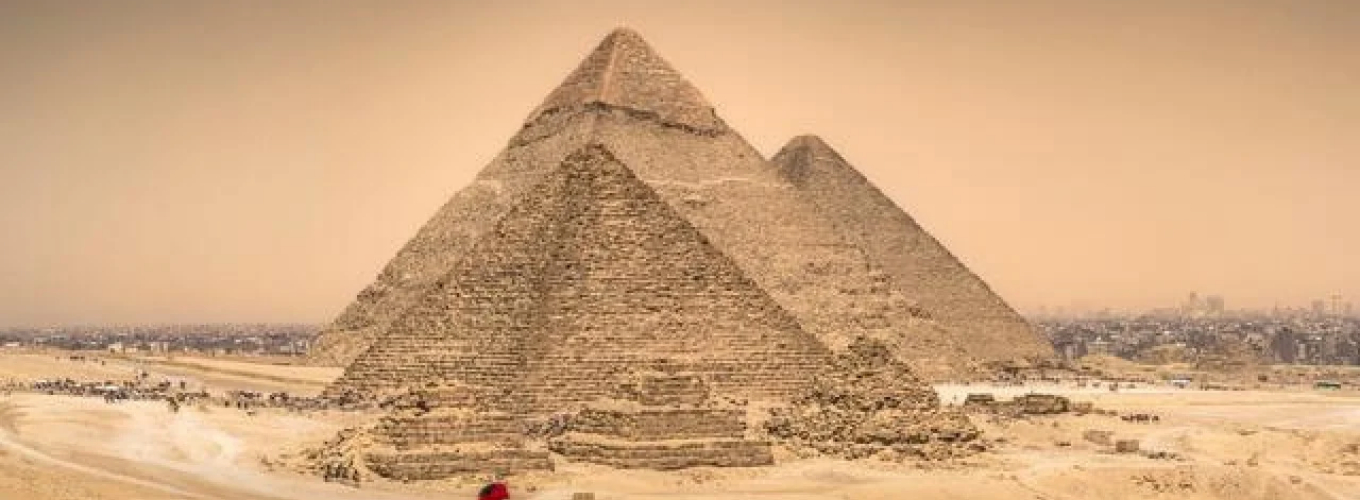
Main destinations: Giza Plateau, Great Sphinx, Nile River
Suggested sightseeing: 4–6 hours, excluding optional evening activities
Begin your first day at the Giza Plateau, where three royal pyramids dominate a limestone desert landscape on the western edge of Greater Cairo.
The monumental structures belong to Khufu, Khafre, and Menkaure, pharaohs of Egypt’s Fourth Dynasty.
The Great Pyramid of Khufu is the largest of the three and the only surviving monument of the Seven Wonders of the Ancient World.
What makes Giza particularly interesting is that the pyramids were not isolated structures. Each formed part of a larger royal funerary complex involving temples, causeways, smaller pyramids, tombs, and ceremonial spaces.
Understanding that relationship changes the experience from simply photographing three pyramids to discovering how ancient Egyptian royalty prepared for the afterlife.
8:00–9:30 a.m. — Explore the Great Pyramid of Khufu
Start your visit with the Pyramids of Giza, preferably near the beginning of the official visiting period.
Standing at the base of the Great Pyramid reveals something photographs rarely communicate: the enormous scale of individual limestone blocks and the precision of the overall structure.
King Khufu’s pyramid originally reached approximately 146.6 meters and was constructed during the Old Kingdom.
Its original outer casing was largely composed of fine white limestone, giving the monument a significantly different appearance from the rough stepped exterior visible today.
Visitors can usually purchase separate admission to enter selected pyramid interiors, subject to availability, conservation restrictions, and current ticketing arrangements.
However, entering the Great Pyramid is not essential for everyone.
The interior experience involves confined passages, inclines, and substantial physical effort. Visitors with claustrophobia, mobility limitations, or difficulty handling hot enclosed spaces may prefer exploring the exterior.
If you decide to enter, allow additional time and avoid scheduling another major attraction immediately afterward.
9:30–10:30 a.m. — Visit the Pyramids of Khafre and Menkaure
Continue toward the neighboring royal pyramids.
The Pyramid of Khafre can appear taller than Khufu’s from certain viewpoints because it stands on higher ground. Near its summit, remnants of the original limestone casing remain visible.
The Pyramid of Menkaure is considerably smaller, but its construction history is equally important.
Together, the three pyramids reveal differences in royal ambition, architecture, and construction during the Fourth Dynasty.
A good guide can also explain the function of subsidiary pyramids, royal cemeteries, causeways, and mortuary temples.
Rather than rushing from monument to monument, spend time viewing the structures from different distances.
10:30–11:15 a.m. — Panoramic Viewpoints
The Giza Plateau contains several viewpoints from which travelers can photograph multiple pyramids in the same frame.
This is one of the most rewarding parts of the visit because it reveals the relationship between the monuments and the surrounding desert.
Photography conditions vary with the season, weather, visibility, and sun position.
Desert haze can soften the distant skyline, while strong midday sunlight creates harder shadows.
If photography is a major priority, discuss your preferred views with your guide before entering the plateau.
An optional camel ride may be available through local operators. Agree on the total price, duration, route, and any additional charges before participating, and choose an operator that treats its animals responsibly.
Camel riding is not necessary to enjoy the site.
11:15 a.m.–12:15 p.m. — The Great Sphinx
Continue to the Great Sphinx of Giza.
The Sphinx is carved from natural limestone bedrock and depicts a human-headed lion.
It stands beside the Valley Temple associated with Khafre’s pyramid complex. Many Egyptologists associate the monument with Khafre, although aspects of its interpretation remain debated.
The Sphinx measures approximately 73 meters in length and has become one of the most recognizable symbols of ancient Egyptian civilization.
From its viewing area, you can examine the monument’s profile, the surrounding temple remains, and the relationship between the Sphinx and the plateau above it.
Ask your guide to explain the Sphinx’s geological setting, restoration history, and religious symbolism rather than focusing exclusively on the famous missing nose.
12:30–2:00 p.m. — Lunch and a Break
After several hours of walking, stop for lunch near Giza.
An air-conditioned restaurant provides a welcome break, particularly during the warmer months.
Try grilled kofta, chicken, fresh bread, rice, or traditional Egyptian dishes.
If you have dietary restrictions, communicate them when arranging your tour rather than assuming every restaurant will offer suitable alternatives.
Avoid overloading the afternoon with another major archaeological site.
Late Afternoon — Return to the Hotel
Return to your hotel to rest, shower, and recover from the heat or travel fatigue.
The afternoon is also a useful buffer if you spent longer than expected at the pyramids or encountered traffic delays.
Evening — Experience the Nile
Finish your first day with a relaxed evening near the Nile River.
Possible experiences include a private felucca sail, a riverside dinner, or a short evening walk in a suitable central neighborhood.
A felucca is a traditional sailing boat that offers a quieter experience than a large entertainment cruise when sailing conditions permit.
The Nile has supported Egyptian settlement, agriculture, and transportation for thousands of years. Seeing the river in modern Cairo provides a different perspective from the archaeological sites visited earlier.
For travelers who prefer a structured evening, dinner cruises operate on selected routes and schedules, with different entertainment formats.
Check what is included in the price and confirm the departure location before booking.
Day 1 Planning Tip: Do not automatically combine the Giza Pyramids, Saqqara, Dahshur, and the Grand Egyptian Museum on your first day. Although some fast-paced tours include several of these attractions, they deserve more time than a hurried checklist allows.
Day 2: Grand Egyptian Museum and Downtown Cairo
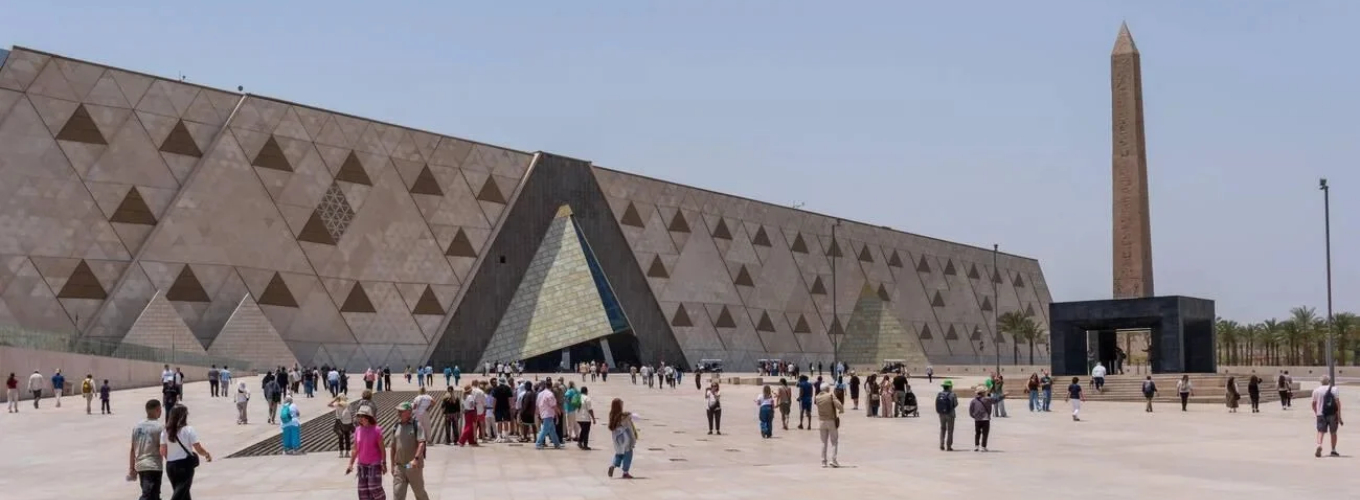
Main destinations: Grand Egyptian Museum, Downtown Cairo, Nile waterfront
Suggested sightseeing: 5–7 hours with breaks
Your second day focuses on the archaeological objects, artistic achievements, and historical stories that help explain the monuments seen at Giza.
The Grand Egyptian Museum, often abbreviated GEM, is located near the Giza Plateau, making it geographically convenient for visitors staying in western Cairo or Giza.
Unlike visiting a single pyramid or tomb, exploring the museum presents thousands of years of Egyptian civilization through sculpture, jewelry, architectural fragments, ceremonial objects, royal possessions, and other archaeological discoveries.
The museum fully opened to the public in November 2025, making it a central consideration for 2027 itineraries. Its collections include the Tutankhamun Galleries and the museum devoted to Khufu’s boats.
SIS+1
9:00–9:30 a.m. — Arrive at the Grand Egyptian Museum
Arrange your timed admission in advance.
The museum’s architecture is itself part of the experience. Its monumental entrance, large public spaces, and carefully designed views toward the Giza landscape connect the ancient setting with a contemporary cultural institution.
Begin in the Grand Hall, where the colossal statue of Ramses II serves as a major focal point.
This statue illustrates the scale and symbolism of royal representation during the New Kingdom.
Rather than immediately trying to visit every gallery, spend a few minutes understanding the museum’s organization.
9:30–11:00 a.m. — Grand Stairs and Main Galleries
The Grand Stairs present monumental sculpture and architectural elements across different historical periods.
They offer an introduction to the ways ancient Egyptian rulers used statues, inscriptions, and public monuments to express authority.
In the main galleries, focus on a selection of themes:
- Kingship and the role of the pharaoh.
- Religious beliefs and relationships between gods and rulers.
- Daily life, craftsmanship, and elite society.
- Funerary traditions and beliefs about the afterlife.
- Changes in artistic styles across historical periods.
Trying to read every museum label in a single visit is unrealistic.
Instead, select several subjects that interest you and explore them properly.
Travelers who visited Giza on Day 1 may find it particularly useful to focus on Old Kingdom objects before moving to later dynasties.
11:00 a.m.–12:30 p.m. — Tutankhamun Galleries
The Tutankhamun collection is one of the museum’s major attractions.
Tutankhamun became pharaoh during the Eighteenth Dynasty and ruled during the New Kingdom.
His relatively short reign might have attracted less attention without the extraordinary archaeological discovery of his tomb by Howard Carter’s team in 1922.
The tomb’s contents revealed aspects of royal burial practices, craftsmanship, personal possessions, and funerary symbolism.
Spend time examining the craftsmanship and materials rather than concentrating on a single famous object.
Items connected with royal life and burial can reveal how the ancient Egyptians understood authority, protection, death, and rebirth.
A knowledgeable Egyptologist can help distinguish objects used during Tutankhamun’s lifetime from those prepared for his burial.
12:30–1:30 p.m. — Lunch and Museum Facilities
Take a proper break before deciding whether to continue exploring.
Large museums can be physically demanding, even when most of the visit takes place indoors.
Use this time to review what you have already seen and identify any galleries you particularly want to revisit.
1:30–2:30 p.m. — Additional Galleries or Khufu’s Boats Museum
If your ticket and current access arrangements permit, consider the museum’s additional exhibition areas, including the Khufu’s Boats Museum.
The famous royal boat associated with Khufu was moved from its former location near the Great Pyramid to the museum complex.
For visitors interested in ancient engineering, this is an excellent complement to the previous day’s pyramid exploration.
It provides a tangible example of woodworking, boat construction, royal ritual, and the importance of watercraft in ancient Egyptian culture.
Travelers seeking more detailed museum preparation can explore the Grand Egyptian Museum visitor guide.
Important for 2027: The museum currently publishes standard gallery hours of 9:00 a.m.–6:00 p.m., with extended evening hours on Wednesdays and Saturdays. These schedules may change, so confirm your ticket date and admission slot before finalizing your itinerary.
Opening Hours
Late Afternoon — Explore Downtown Cairo
After returning from Giza, explore part of Downtown Cairo if your energy permits.
The area offers a different atmosphere from the archaeological sites: historic buildings, busy streets, cafés, bookstores, and major public squares.
Tahrir Square is home to the historic Egyptian Museum, which remains a separate institution from the Grand Egyptian Museum.
The two museums are not interchangeable.
The Grand Egyptian Museum is particularly important for the Tutankhamun collection and major new exhibition spaces, while the Egyptian Museum in Tahrir continues to present significant archaeological collections in its historic building.
Travelers especially interested in museum history may wish to consider the Egyptian Museum in Cairo as an alternative or additional visit.
However, visiting two large museums on the same day can create museum fatigue.
For a four-day holiday, most first-time visitors will benefit more from choosing one major museum and enjoying a contrasting cultural experience afterward.
Evening — Egyptian Dinner
Try one of Cairo’s traditional restaurants.
Koshari is a popular meat-free Egyptian dish made with rice, pasta, lentils, chickpeas, tomato sauce, and fried onions.
Other possibilities include molokhia, grilled kofta, mahshi, and stuffed vegetables.
Ask about ingredients and preparation when necessary, especially if you have allergies.
Choose a restaurant near your hotel or in the area where you finish sightseeing to avoid an unnecessary journey across Cairo.
Day 2 Planning Tip: Reserve a substantial block of time for the Grand Egyptian Museum. Its large galleries and extensive collections make it unsuitable as a quick stop between unrelated attractions.
Day 3: Saqqara, Memphis, and the Evolution of the Pyramids
Main destinations: Saqqara, Memphis, optional Dahshur
Suggested sightseeing: 5–7 hours, including travel between sites
On Day 3, travel south of Giza to explore the earlier stages of ancient Egypt’s pyramid-building tradition.
This day offers something that many first-time itineraries miss: an explanation of how the architectural ideas visible at Giza developed over generations.
Saqqara, Memphis, and Dahshur belong to the wider archaeological landscape recognized by UNESCO as Memphis and its Necropolis – the Pyramid Fields from Giza to Dahshur.
The area preserves monuments associated with early Egyptian kingship and the development of monumental stone architecture.
UNESCO World Heritage Centre
8:00–9:00 a.m. — Drive Toward Saqqara
Leave your hotel after breakfast, allowing additional time for traffic.
Saqqara lies south of Cairo and is generally reached by private vehicle or an arranged excursion.
Public transportation is less convenient for combining several archaeological sites in one day.
The route moves away from the most densely developed parts of Greater Cairo toward areas of cultivated land, villages, and desert-edge archaeological zones.
9:00–11:00 a.m. — The Step Pyramid of Djoser
Begin with the Step Pyramid of Djoser, one of the most influential monuments in architectural history.
It was built for King Djoser during Egypt’s Third Dynasty and is traditionally associated with the architect Imhotep.
Unlike the smooth-sided pyramids at Giza, Djoser’s monument rises in a series of six steps.
Its design reflects a major development from earlier mastaba-style royal tombs toward large-scale monumental stone construction.
The surrounding funerary complex includes courtyards, ritual spaces, stone architecture, and structures that help explain the religious purpose of royal burial complexes.
Visitors often focus only on the Step Pyramid itself, but the surrounding site deserves attention.
The complex demonstrates how ancient Egyptian rulers used monumental architecture to communicate political and religious authority.
Explore Selected Tombs at Saqqara
Depending on currently accessible areas and your admission arrangements, consider visiting one or two decorated tombs.
Some tombs preserve detailed scenes of agriculture, food preparation, craft production, hunting, fishing, and elite daily life.
These images are particularly valuable because they complement the royal monuments.
They show a wider picture of ancient Egyptian society rather than focusing exclusively on kings.
The tomb scenes should not be interpreted as simple photographs of everyday life. Many were created within a religious and funerary context, intended to sustain the tomb owner’s existence after death.
Understanding this relationship makes the artwork more meaningful.
11:30 a.m.–12:30 p.m. — Ancient Memphis
Continue toward the ancient capital of Memphis, near modern Mit Rahina.
Memphis played an important administrative and religious role during the early periods of Egyptian civilization.
It occupied a strategic location near the meeting of the Nile Valley and the Delta, helping rulers maintain connections between Upper and Lower Egypt.
The city was closely associated with Ptah, an important creator deity and patron of craftspeople.
Modern visitors do not encounter an intact ancient city.
Instead, surviving archaeological remains and an open-air museum provide evidence of its former significance.
Highlights can include monumental sculpture, particularly representations of Ramses II, and other stone artifacts.
Read more about the ancient city of Memphis to understand its role in Egyptian political and religious history.
Optional Afternoon — Dahshur
If you have enough energy and your tour timing allows, continue to Dahshur.
Dahshur contains major royal pyramids constructed before the Great Pyramid of Khufu.
Two particularly important examples are the Bent Pyramid and the Red Pyramid, both associated with King Sneferu.
The Bent Pyramid is remarkable because its exterior angle changes partway up the structure.
The Red Pyramid represents another important stage in the development of successful smooth-sided pyramid construction.
Together, these monuments help demonstrate how experimentation, engineering adjustments, and construction experience contributed to later achievements at Giza.
Explore the historical context of the Dahshur Necropolis if this optional extension interests you.
Do not assume that entering every pyramid interior will be practical or comfortable.
Interior access may involve steep passages, restricted spaces, separate tickets, and conservation-related closures.
Late Afternoon — Return to Cairo
Return to your hotel and enjoy a relatively quiet evening.
You have now explored three connected stages of ancient Egyptian history:
- The early development of monumental stone architecture at Saqqara.
- The evolution of smooth-sided pyramids at Dahshur.
- The mature royal pyramids of the Fourth Dynasty at Giza.
This historical progression is one of the strongest reasons to include Saqqara in a four-day itinerary.
Day 3 Planning Tip: If you prefer a slower pace, choose Saqqara and Memphis rather than trying to explore Saqqara, Memphis, and Dahshur in full. Archaeological sites are more rewarding when you leave time to understand them.
Day 4: Coptic Cairo, Islamic Cairo, and Khan el-Khalili
Main destinations: Coptic Cairo, Citadel or Al-Muizz Street, Khan el-Khalili
Suggested sightseeing: 5–7 hours for the full route
Your final day moves away from pharaonic Egypt to explore the later history of Cairo.
The city contains important Christian, Islamic, and medieval architectural heritage alongside its modern neighborhoods.
This day provides a useful reminder that Egyptian history did not end with the pharaohs.
9:00–11:00 a.m. — Coptic Cairo
Begin in Coptic Cairo, an area associated with some of Egypt’s most important early Christian sites.
The neighborhood lies within and around the historic setting of Babylon Fortress.
One major attraction is the Hanging Church, formally known as the Church of the Virgin Mary.
The church is famous for its elevated position over parts of the Roman fortress’s historic gatehouse.
Inside, visitors can appreciate religious artwork, carved woodwork, architectural details, and the continuing importance of Coptic Christianity.
Other nearby places of interest include the Church of Saints Sergius and Bacchus and the Ben Ezra Synagogue, subject to current visiting access.
These sites reflect the religious diversity and complex historical development of the area.
Because many buildings remain religiously significant, visitors should dress respectfully and follow any photography restrictions.
11:00 a.m.–12:30 p.m. — Choose the Citadel or Additional Coptic Cairo Sites
Travelers interested in Islamic architecture can continue to the Citadel of Saladin.
The Citadel and Mosque of Muhammad Ali offer an introduction to medieval fortifications and nineteenth-century religious architecture.
The citadel occupies an elevated position and provides views across Cairo when visibility conditions are favorable.
The Mosque of Muhammad Ali is particularly recognizable for its domes and slender minarets.
Visitors should check worship-related restrictions, modest clothing requirements, and current access conditions.
However, travelers with limited mobility or those who prefer a less hurried itinerary may wish to spend longer in Coptic Cairo instead.
12:30–1:30 p.m. — Lunch
Stop for lunch before continuing to Islamic Cairo.
A well-placed lunch break is important because the afternoon includes walking through streets and historic neighborhoods.
Choose a restaurant appropriate to your available time and transport route.
1:30–3:00 p.m. — Al-Muizz Street and Historic Islamic Cairo
Continue to Al-Muizz Street, one of Cairo’s most historically significant streets.
The surrounding district contains mosques, schools, mausoleums, gates, and buildings connected with several periods of Islamic rule.
Fatimid, Ayyubid, Mamluk, and later architectural traditions can be seen within the broader historical area.
The street is especially rewarding for visitors who enjoy architectural details.
Look for carved stonework, geometric decoration, historic wooden doors, minarets, and ornamental elements.
A guided visit can explain how buildings served religious, educational, charitable, commercial, and civic functions.
Rather than rushing through the street, select a manageable section and explore its surroundings.
3:00–4:30 p.m. — Khan el-Khalili Bazaar
Finish your sightseeing at Khan el-Khalili Bazaar.
The market district is one of Cairo’s best-known shopping and cultural areas.
Shops sell jewelry, spices, textiles, lamps, souvenirs, and a wide range of other goods.
However, the bazaar is not merely a shopping destination.
Its historic setting, narrow lanes, workshops, and nearby religious architecture reveal the continuing importance of commerce in Islamic Cairo.
Enjoy a cup of tea or coffee at a traditional café.
If you plan to buy souvenirs, compare prices, inspect quality, and agree on costs before completing a purchase.
Polite bargaining is common in many souvenir shops, but not every business negotiates prices.
Evening — Departure or Farewell Dinner
If you have a late-night international departure, arrange the airport transfer with a suitable time buffer.
Cairo’s traffic conditions can change quickly, particularly during busy commuting periods.
If you are staying an additional night, enjoy a farewell dinner before departing the following morning.
Day 4 Planning Tip: If your international flight departs in the afternoon, do not schedule the entire Old Cairo and Islamic Cairo route. Choose a single neighborhood or finish sightseeing the previous evening.
Alternative 4-Day Egypt Itinerary: Cairo and Luxor
For travelers whose main interest is ancient Egyptian history, a four-day Cairo and Luxor itinerary can be an excellent alternative.
It offers two contrasting archaeological landscapes.
Giza introduces the monumental pyramid complexes of the Old Kingdom, while Luxor reveals the temples and royal tombs associated with Egypt’s later imperial power.
The challenge is transportation.
To make this itinerary work, you should ideally have four complete sightseeing days, carefully scheduled domestic flights, and minimal delays.
Day 1: Giza Pyramids and the Great Sphinx
Spend your first full day exploring the Giza Plateau.
Visit Khufu’s Great Pyramid, the neighboring royal pyramids, the panoramic viewpoints, and the Great Sphinx.
Avoid trying to squeeze the Grand Egyptian Museum into the same short visit unless your available time is exceptionally generous.
In the evening, enjoy dinner in Cairo and prepare for the following day’s museum visit.
Day 2: Grand Egyptian Museum and Flight to Luxor
Spend the morning and early afternoon at the Grand Egyptian Museum.
This provides time to see the main galleries, the Grand Stairs, and the Tutankhamun collection.
Afterward, transfer to Cairo International Airport for a scheduled flight to Luxor.
Direct flights between Cairo and Luxor typically take around one hour in the air, but the total travel commitment is longer after check-in, security, baggage collection, and airport transfers.
Choose an evening flight only after confirming that its schedule gives you enough time to enjoy the museum without rushing.
On arrival in Luxor, transfer to your hotel and rest.
Day 3: Karnak Temple and Luxor Temple
Dedicate Day 3 to the East Bank of Luxor.
Morning — Karnak Temple
Begin at Karnak Temple, one of the most important religious complexes in ancient Egypt.
Its development extended across many centuries, with numerous rulers adding monumental structures.
The Great Hypostyle Hall is particularly impressive.
It contains 134 massive columns decorated with religious and royal imagery.
Karnak’s significance goes beyond its scale. It served as a major center of worship associated with Amun and the religious institutions of ancient Thebes.
Allow at least two hours, and longer if you are interested in detailed architectural interpretation.
Afternoon — Luxor Temple
Continue to Luxor Temple, another important monument on the East Bank.
Unlike the vast Karnak complex, Luxor Temple offers a more concentrated architectural experience.
Its monumental entrance, statues, columns, courtyards, and reliefs reflect contributions by different rulers.
The temple was connected with the religious life of ancient Thebes and important ceremonial traditions.
The ancient processional avenue linking Karnak and Luxor helps explain the relationship between the two sites.
After sightseeing, spend the evening enjoying the Nile waterfront in Luxor.
The riverside setting offers a slower pace than Cairo and creates a memorable contrast between the country’s two major tourism centers.
Day 4: Valley of the Kings, Hatshepsut Temple, and Departure
Begin early and cross to Luxor’s West Bank.
The West Bank contains extensive funerary landscapes, including royal tombs, mortuary temples, and ancient cemeteries.
Morning — Valley of the Kings
Start at the Valley of the Kings.
This burial ground contains tombs associated with major New Kingdom rulers.
Unlike the monumental royal pyramids of the Old Kingdom, many New Kingdom pharaohs were buried in underground rock-cut tombs.
The tombs contain corridors, chambers, religious texts, painted scenes, and symbolic representations related to the journey into the afterlife.
Available tombs vary according to conservation schedules and ticketing arrangements.
Some famous tombs may require separate admission.
Choose a small number of tombs rather than trying to visit every accessible one.
The decorated interiors deserve careful attention, particularly the colors, astronomical imagery, religious texts, and architectural arrangements.
Late Morning — Hatshepsut Temple
Continue to the Mortuary Temple of Hatshepsut.
The temple rises in a series of monumental terraces against the cliffs of Deir el-Bahari.
Its architectural design creates a striking relationship between the built structure and the natural landscape.
Hatshepsut was a female pharaoh of the Eighteenth Dynasty, and her reign is associated with major building projects and expeditions.
The temple’s reliefs provide information about royal ideology and important events represented during her reign.
Early Afternoon — Colossi of Memnon
If your departure schedule permits, stop briefly at the Colossi of Memnon.
These monumental seated statues once stood at the entrance to the mortuary temple of Amenhotep III.
Today, they remain prominent landmarks on Luxor’s West Bank.
The statues provide another example of how monumental sculpture communicated royal authority.
Departure
Transfer to Luxor International Airport for your onward flight, provided your itinerary includes an appropriate connection or international departure option.
If you must return to Cairo for an international flight, allow a substantial buffer.
Booking separate tickets with a tight connection can expose you to serious disruption if the domestic flight is delayed.
Is Cairo and Luxor Too Rushed for Four Days?
It depends on your available travel time.
Four full sightseeing days can accommodate the route, particularly with a guide and prearranged transportation.
However, a four-day holiday that includes an arrival day and departure day is a different situation.
For that shorter version, Cairo and Giza will usually provide a more comfortable experience.
Best recommendation: Choose Cairo and Luxor only when the Upper Egypt experience is a genuine priority, rather than adding Luxor simply because it appears on every list of Egypt’s highlights.
4 Days in Egypt: Cairo and Alexandria Itinerary
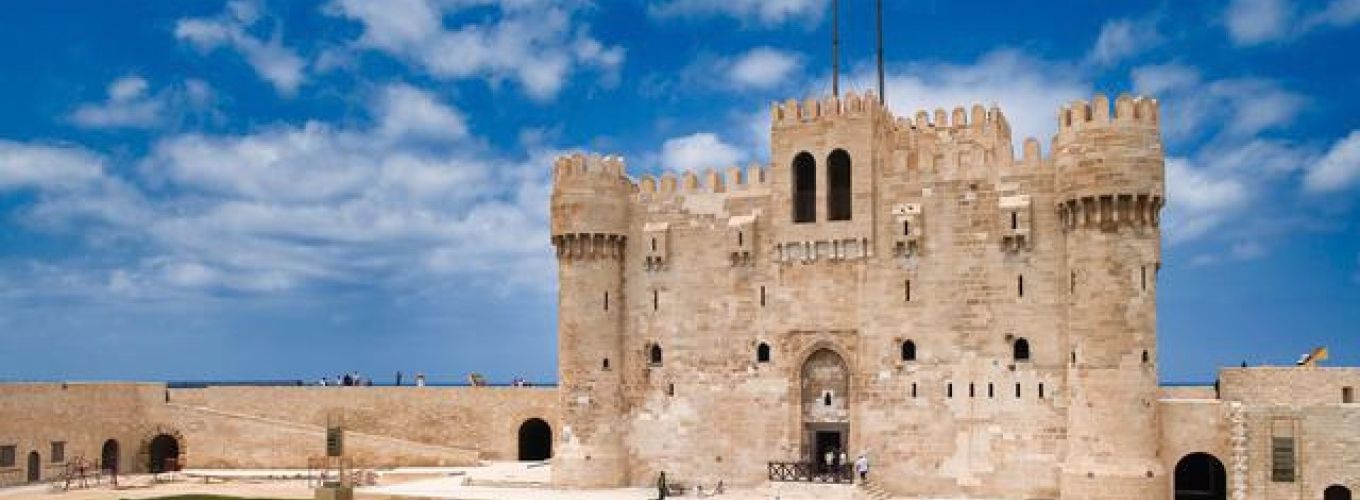
Cairo and Alexandria make a good combination for travelers who want to experience both ancient Egyptian monuments and Mediterranean history.
Unlike Luxor, Alexandria can be reached from Cairo by road or rail without requiring a domestic flight.
However, it is not a quick excursion.
The journey can take several hours each way, depending on traffic, departure point, and transportation method.
Day 1: Giza Pyramids and Great Sphinx
Begin with the Giza Plateau, allowing enough time for the main pyramids and surrounding archaeological areas.
Return to Cairo for a relaxing evening.
Day 2: Grand Egyptian Museum and Cairo
Explore the Grand Egyptian Museum during the morning and early afternoon.
Spend the remainder of the day in Downtown Cairo or beside the Nile.
Day 3: Full-Day Alexandria Excursion
Leave Cairo early for Alexandria on the Mediterranean coast.
Alexandria was founded in 331 BCE and became one of the most influential cities of the Hellenistic world.
It later remained an important urban center during the Roman period.
Its archaeological and cultural heritage reflects the interaction of Egyptian, Greek, and Roman traditions.
Catacombs of Kom el-Shoqafa
Begin with the Catacombs of Kom el-Shoqafa.
This underground funerary complex is especially interesting because its decoration combines Egyptian and Greco-Roman elements.
Its burial chambers and architectural details demonstrate how different religious and artistic traditions influenced one another.
Pompey’s Pillar
Continue to Pompey’s Pillar, a monumental Roman column associated with the ancient Serapeum area.
Despite its familiar name, the column is not a monument to Pompey the Great.
It belongs to Alexandria’s Roman historical landscape.
Bibliotheca Alexandrina
Visit the modern Bibliotheca Alexandrina, an important contemporary cultural and intellectual institution.
It was conceived as a modern tribute to Alexandria’s celebrated ancient library, rather than a reconstruction of the original building.
Depending on your interests and the available schedule, explore the public spaces and selected exhibitions.
Qaitbay Citadel
Finish with the Qaitbay Citadel, which stands near the site of the ancient Lighthouse of Alexandria.
The lighthouse was among the Seven Wonders of the Ancient World, although the original monument no longer survives.
The fifteenth-century fortress provides views of the Mediterranean and offers another layer of Alexandria’s history.
Return to Cairo in the evening.
Day 4: Coptic Cairo and Islamic Cairo
Spend your final day exploring a selection of Cairo’s historic neighborhoods.
If you have an evening flight, plan your sightseeing carefully and avoid last-minute journeys across the city.
Who Should Choose Alexandria Instead of Luxor?
Alexandria is a strong option for travelers interested in Greco-Roman history, coastal scenery, historic architecture, and modern cultural institutions.
Luxor is better for travelers whose main priority is pharaonic temples and royal tombs.
For a first visit focused specifically on Ancient Egypt, Luxor usually offers a more distinctive contrast to Giza.
For visitors interested in Egypt’s later Mediterranean history, Alexandria may be the more appealing choice.
A More Relaxed Four-Day Cairo Itinerary for Families and Short Trips
Travelers arriving after a long international flight often benefit from a slower itinerary.
This is particularly important for families with young children, older travelers, and visitors who prefer comfortable mornings instead of early departures every day.
A relaxed route can follow this structure.
| Day | Morning | Afternoon | Evening |
| Day 1 | Arrive and transfer to hotel | Rest or short neighborhood visit | Easy dinner |
| Day 2 | Giza Pyramids | Sphinx and lunch | Free time |
| Day 3 | Grand Egyptian Museum | Rest or selected galleries | Nile experience |
| Day 4 | One Cairo neighborhood | Airport transfer | Departure if scheduled |
This version is not less valuable simply because it includes fewer attractions.
Traveling with children can require additional stops for meals, hydration, bathrooms, and rest.
At large archaeological sites, walking distances may be greater than visitors expect.
Choose a small number of high-value experiences and allow children time to explore without treating every hour as a guided lecture.
Families who want more destination-specific advice can consult traveling in Egypt with kids.
How to Make the Pyramids More Interesting for Children
Give younger travelers a simple challenge, such as identifying the largest pyramid, recognizing the Sphinx, or finding differences between the three main royal monuments.
Explain that the pyramids were constructed thousands of years before many other famous historical landmarks.
Use short stories about kings, builders, and ancient beliefs rather than providing long chronological explanations.
For school-age children, the relationship between the Step Pyramid at Saqqara and the later pyramids at Giza can become a particularly interesting story about ancient engineering.
Should Families Visit Luxor in Four Days?
Families can visit Luxor, but the schedule needs to account for additional flights and the physical demands of archaeological sites.
During hot weather, long outdoor visits can be especially tiring.
For a family traveling to Egypt for the first time, four days based in Cairo will often provide better flexibility.
If the children are passionate about ancient Egypt, a longer Cairo and Luxor itinerary may be worth the additional travel.
How Much Does a 4-Day Egypt Itinerary Cost in 2027?
The cost of spending four days in Egypt depends on your hotel category, sightseeing arrangements, domestic flights, travel season, and whether you prefer private or shared services.
Four days in Cairo will usually cost less than a similar itinerary that includes Luxor by air.
However, the cheapest itinerary is not necessarily the best value. A low-cost package can become considerably more expensive if attraction tickets, airport transfers, meals, or domestic flights are excluded.
The following figures are illustrative planning budgets, not verified 2027 tour quotations or confirmed market prices.
Estimated Four-Day Egypt Travel Budget
| Expense | Budget trip | Mid-range trip | Luxury trip |
| Hotel, 3 nights | $90–210 | $240–450 | $600–1,200+ |
| Meals, 4 days | $40–80 | $100–180 | $200–400+ |
| Local transport | $35–90 | $100–200 | $200–400+ |
| Sightseeing and guiding | $120–220 | $200–350 | $350–650+ |
| Illustrative total per person | $285–600 | $640–1,180 | $1,350–2,650+ |
These examples assume two adults sharing accommodation and do not include international flights, visa expenses, travel insurance, shopping, or optional domestic flights.
Actual hotel and tour quotations may differ substantially. Luxury hotel prices in particular can rise during major holiday periods.
What Is Usually Included in a Private Four-Day Tour?
Private Egypt tour packages may include a combination of:
- Airport meeting and transfers.
- Three nights of hotel accommodation.
- Daily breakfast.
- A licensed professional tour guide.
- Private air-conditioned transportation.
- Entrance tickets to attractions specified in the itinerary.
- Selected lunches.
- Local assistance during the tour.
- Domestic flights, when explicitly included.
Never assume all these services are included simply because a package is described as private or all-inclusive.
Ask the operator for a written list of inclusions and exclusions.
Expenses Travelers Frequently Overlook
Additional attraction tickets: Standard archaeological site admission does not necessarily include every pyramid interior, tomb, exhibition, or optional area.
Domestic flights: Cairo–Luxor airfare may be excluded from advertised tour prices.
Baggage: Domestic airline allowances can vary by fare type.
Tipping: Guides, drivers, hotel staff, and other service providers may receive gratuities. Amounts vary according to the service and your preferences.
Optional experiences: Hot-air balloon flights, Nile dinner cruises, special guided experiences, and supplementary museum activities may cost extra.
Hotel categories: Two hotels described as five-star properties can offer very different standards of location, room quality, and service.
Single supplements: Solo travelers may pay more for accommodation than two people sharing a room.
Is a Private Tour Worth It for Four Days?
A private tour can be particularly useful when time is limited.
The main benefit is control over your daily schedule.
You can arrange museum visits around your interests, reduce unnecessary stops, and adapt the pace to your group’s needs.
For example, a couple interested in pyramid architecture may prefer spending additional time at Saqqara rather than visiting several souvenir workshops.
A family may want to return to the hotel earlier than a standard group tour allows.
A private guide can also explain the historical relationships between monuments that are difficult to understand from sightseeing alone.
However, private tours are not essential for every traveler.
Independent visitors who are comfortable arranging transportation and tickets can organize a four-day Cairo itinerary themselves.
The important comparison is not simply the price of a private tour versus independent travel. It is the total cost, the time required to organize the trip, and the flexibility each approach provides.
Travelers wanting a professionally arranged Cairo stay can compare the 4 Day Cairo Tour with an independently planned itinerary.
Where Should You Stay During Four Days in Egypt?
For a four-day Cairo-based itinerary, your hotel location can make a substantial difference to daily travel time.
Greater Cairo is large, and attractions are spread across different districts.
Choosing a hotel solely because it looks close to one attraction may leave you far from the others.
Giza: Best for Pyramids and Museum Visits
Giza is a logical base for travelers prioritizing the pyramids and the Grand Egyptian Museum.
Some hotels offer pyramid views, although the quality of the view depends on the room category and exact property.
Advantages: Convenient for western Cairo attractions, pyramid-view accommodation options, and access to the Giza archaeological area.
Limitations: Longer journeys to some downtown and eastern Cairo attractions. Certain neighborhoods are busy and can experience significant traffic.
Best for travelers who want the pyramids to be a major focus of their stay.
Downtown Cairo: Best for Culture and Urban Experiences
Downtown Cairo places travelers closer to Tahrir Square, historic urban districts, restaurants, and cultural attractions.
Hotel standards and noise levels vary significantly between properties.
Advantages: Central atmosphere, cultural experiences, and access to multiple city neighborhoods.
Limitations: Traffic, street noise, and longer transfers to some Giza attractions.
Best for travelers interested in exploring Cairo beyond the archaeological sites.
Zamalek: Best for a More Relaxed Urban Base
Zamalek occupies part of Gezira Island in the Nile.
It offers restaurants, cafés, cultural venues, and a generally more residential atmosphere in many streets.
Advantages: Attractive Nile-side locations, dining choices, and convenient access to parts of central Cairo.
Limitations: Hotels can be expensive, and traffic congestion still affects travel times.
Best for couples and travelers who want a balance of sightseeing and comfortable evenings.
Garden City: Best for Central Luxury Accommodation
Garden City is known for diplomatic buildings, mature streets, and several established hotel options near the Nile.
It can work well for travelers seeking upscale accommodation within reach of central attractions.
As elsewhere in Cairo, the exact property location matters more than the neighborhood name alone.
Should You Change Hotels During a Four-Day Cairo Stay?
Usually not.
For a Cairo-only itinerary, staying in one hotel is more convenient than moving between Giza and Downtown Cairo.
Changing hotels means packing, checking out, transporting luggage, waiting for another room, and becoming familiar with a new location.
These activities consume valuable sightseeing time.
If your itinerary includes Luxor, a hotel change is unavoidable unless you are making a demanding same-day excursion.
For four days in Egypt, minimize hotel changes wherever possible.
How to Travel Around Egypt in Four Days
Transport planning is one of the most important differences between a successful short itinerary and a frustrating one.
Travel time is affected by distance, traffic, security procedures, luggage, weather conditions, and departure schedules.
Do not build an itinerary around the assumption that every transfer will run perfectly.
Airport Transfers in Cairo
Cairo International Airport is a major international gateway.
Depending on where you stay, your airport transfer may cross heavily trafficked roads.
Arrange pickup in advance if arriving late at night or traveling with children.
When booking, confirm the airport terminal, flight number, hotel address, and meeting instructions.
Travelers should also verify whether their flight uses Cairo International Airport or another airport serving the Greater Cairo area.
The airport printed on your ticket determines the correct transfer arrangements.
Private Driver Versus Taxi
A private driver is particularly practical for archaeological days involving multiple stops.
For example, visiting Saqqara, Memphis, and Dahshur independently can require more coordination than moving between popular central Cairo attractions.
A prearranged vehicle allows you to determine the route and avoid negotiating multiple journeys.
Ride-hailing services may work for selected city transfers, although availability, pickup locations, and service conditions can vary.
Always confirm the vehicle and driver details before entering.
Domestic Flights
Domestic flights are generally the most time-efficient way to connect Cairo with Luxor or Aswan on a short itinerary.
However, the published flying time is only one part of the journey.
A one-hour flight can require several hours of total travel when airport transfers, check-in, security, boarding, baggage collection, and hotel transfers are included.
For a four-day Cairo and Luxor trip, flights should be chosen around the overall itinerary rather than solely by departure price.
Avoid tight connections between separately booked domestic and international flights.
Trains
Egypt’s rail network connects Cairo with Alexandria, Luxor, Aswan, and other destinations.
For longer itineraries, rail travel can be an interesting alternative to flying.
However, a train journey between Cairo and Luxor requires substantially more time than a domestic flight.
Overnight travel may reduce the number of daytime hours lost, but it can also affect sleep quality.
For a short visit, rail is usually more practical for Cairo–Alexandria travel than for adding a rushed Upper Egypt excursion.
Should You Rent a Car in Egypt?
Most first-time visitors spending four days in Cairo do not need a rental car.
Traffic density, unfamiliar roads, parking arrangements, and local driving practices can make self-driving stressful.
A private driver, arranged excursion, or suitable local transportation service is generally easier.
Driving becomes more attractive only when travelers are familiar with local conditions and have a clear reason to manage their own vehicle.
Best Time to Spend Four Days in Egypt in 2027
Egypt can be visited throughout the year, but the most comfortable travel period depends on your destinations.
Cairo, Luxor, Aswan, Alexandria, and the Red Sea resorts have different seasonal characteristics.
For an archaeology-focused four-day trip, cooler weather makes outdoor sightseeing more comfortable.
October to April: Generally the Best Period for Sightseeing
Late autumn, winter, and early spring are popular choices for visiting Cairo and Luxor.
Daytime temperatures are generally more comfortable for walking around archaeological sites.
This is particularly important at Giza, Saqqara, Karnak, and the Valley of the Kings, where much of the sightseeing takes place outdoors.
December and January can bring cool mornings and evenings in Cairo, so travelers should pack layers rather than assuming Egypt is hot all day.
Holiday periods can also increase demand for hotels, guides, and flights.
May and September: Transitional Months
May and September can work well for travelers comfortable with warmer conditions.
Morning sightseeing becomes increasingly important, particularly in Upper Egypt.
Choose early starts and allow indoor breaks during the hottest part of the day.
Cairo-based itineraries may feel more manageable than routes involving extensive outdoor sightseeing in Luxor.
June to August: Plan Around the Heat
Summer brings very hot conditions to much of Egypt, particularly in Luxor and Aswan.
A four-day itinerary during this period should reduce prolonged midday exposure.
Begin archaeological visits early, use air-conditioned transport, carry water, and avoid scheduling several outdoor monuments back-to-back.
The Grand Egyptian Museum can offer a useful indoor focus, although travelers should still account for walking, transfers, and outdoor spaces.
Seasonal Planning Table
| Season | Cairo and Giza | Luxor | Best approach |
| December–February | Generally pleasant days, cooler nights | Mild days, cool mornings | Excellent for archaeology |
| March–April | Warming conditions; occasional dust | Increasing warmth | Start early |
| May–September | Hot, especially in summer | Very hot during peak summer | Shorter outdoor visits |
| October–November | Generally comfortable | Favorable for sightseeing | Excellent for combined itineraries |
Weather is variable, and seasonal patterns cannot guarantee comfortable conditions on specific travel dates.
Dust and wind can affect visibility and outdoor activities at different times of year.
For more detailed seasonal planning, see the weather in Egypt guide.
What to Pack for Four Days in Egypt
Four days is short enough to travel with relatively light luggage, provided you pack for your actual activities.
Most travelers will spend considerable time walking outdoors, visiting museums, entering religious buildings, and using air-conditioned transportation.
Essential Packing Checklist
- Passport and required travel documents.
- Copies of flight, hotel, and tour confirmations.
- Comfortable walking shoes with reliable grip.
- Lightweight, breathable clothing.
- Sun hat and sunglasses.
- High-SPF sunscreen.
- Refillable water bottle.
- Light jacket or sweater for cooler evenings.
- Modest clothing suitable for religious sites.
- Phone charger and suitable travel adapter.
- Essential medication in original packaging.
- Small day bag.
- Power bank, subject to airline restrictions.
- Personal hygiene products.
- Travel insurance details.
- Payment cards and a modest amount of local currency.
What Should Women Wear in Egypt?
Visitors do not need to wear traditional Egyptian clothing.
Comfortable, modest clothing is generally suitable for sightseeing.
Loose trousers, long skirts, lightweight shirts, and dresses can be practical choices.
When visiting mosques or other religious sites, dress requirements may be more specific.
A lightweight scarf is useful for women who need to cover their hair at a particular religious location.
At tourist hotels and many modern restaurants, clothing expectations are usually more flexible.
What Shoes Are Best for the Pyramids?
Choose comfortable walking shoes rather than sandals with thin soles.
The Giza Plateau contains uneven surfaces, stone areas, sand, and exposed ground.
Saqqara and Luxor may also involve steps and irregular pathways.
Good footwear becomes especially important when visiting several archaeological sites on consecutive days.
Should You Bring Large Luggage?
If your trip includes domestic flights, smaller luggage can make travel easier.
Check the airline’s current baggage rules before departure.
A four-day trip can often be managed with compact luggage, particularly when traveling between Cairo and Luxor.
Pack essential medication, documentation, and a change of clothes in your carry-on bag in case checked baggage is delayed.
Important Egypt Travel Requirements for 2027
Entry requirements, museum ticketing systems, airline schedules, and attraction access can change.
The following advice reflects information available in October 2026 and should be reconfirmed before traveling in 2027.
Do You Need a Visa for Four Days in Egypt?
Many international visitors require a tourist visa to enter Egypt, even for a short trip.
Eligibility and procedures depend on nationality, passport type, and arrival circumstances.
Travelers from the United States, United Kingdom, Canada, Australia, and many European countries may be eligible for Egypt’s electronic visa system.
The Egyptian government’s e-Visa portal advises eligible applicants to apply sufficiently in advance, with guidance to submit applications at least seven days before travel.
The portal also specifies passport validity requirements, including at least six months of remaining validity from the arrival date.
Visa to Egypt+1
Visa-on-arrival options exist for eligible travelers, but payment methods, fees, airport procedures, and availability can change.
Check the rules for your specific nationality before departure.
Are Museum and Pyramid Tickets Included in Tour Packages?
That depends on the operator.
Some tours include standard admission tickets, while others charge separately.
Special admission to pyramid interiors, selected tombs, guided museum experiences, and additional galleries may carry separate charges.
The Grand Egyptian Museum also operates a timed-ticketing system.
Reserve major attractions in advance when possible, especially during busy travel periods.
Can You Visit the Grand Egyptian Museum and Pyramids on the Same Day?
Yes, it is possible because the museum is located near the Giza Plateau.
However, combining them can make for a demanding day.
Allow approximately three to four hours for the pyramids and another three to four hours or more for the museum.
Add time for transfers, security, meals, and breaks.
If your entire trip contains only two sightseeing days, combining them may be reasonable.
With four full sightseeing days, separate visits are generally more comfortable.
Is It Safe to Travel to Egypt in 2027?
Cairo, Giza, and Luxor are established tourism destinations, and many international travelers visit them successfully.
However, no destination is entirely risk-free, and conditions can change.
Government travel advisories distinguish between Egypt’s main tourist areas and regions subject to stronger warnings.
Travelers should review current advice for their nationality and planned destinations, particularly concerning regional security, transportation, health, and travel insurance.
Travel.STATE.gov+1
Use reputable transportation providers, follow local guidance, protect personal belongings, and avoid unauthorized excursions into restricted areas.
For additional considerations relevant to American visitors, see is Egypt safe for Americans.
How Much Cash Should You Carry?
Carry enough Egyptian pounds for small purchases, tipping, and expenses where cards may not be accepted.
Many hotels and established businesses accept payment cards, but travelers should not assume every café, market stall, or transport provider does.
Use reputable exchange services or bank ATMs.
Confirm payment methods for archaeological tickets before leaving your hotel.
Do not rely exclusively on carrying large amounts of foreign currency.
Do You Need Travel Insurance?
Travel insurance is strongly recommended.
Consider coverage for emergency medical treatment, trip cancellation, baggage problems, travel delays, and planned activities.
Travelers adding domestic flights should examine policies covering missed connections and schedule disruption.
Read the exclusions carefully, particularly for adventure activities or travel to areas covered by government warnings.
How to Plan a Four-Day Egypt Trip from the USA, UK, Canada, Australia, or Europe
International travelers face different flight schedules and travel times.
A four-day trip can be a practical short holiday for someone flying from a nearby European destination, but a considerably more demanding journey for someone traveling from North America or Australia.
Four Days in Egypt from the USA
For travelers departing from the United States, four days is a relatively short stay compared with the international journey involved.
Where possible, allow a separate arrival evening before your first full sightseeing day.
Jet lag can affect your experience, particularly if you begin touring immediately after a long flight.
A Cairo-based itinerary is often the simplest choice.
If you want to include Luxor, consider extending your visit rather than sacrificing too much time to airport transfers.
Four Days in Egypt from the UK
A four-day holiday can be practical from the United Kingdom, depending on available flights and your departure city.
Consider whether your flight arrives early enough for meaningful sightseeing.
A late arrival followed by an early departure leaves little time for exploring.
Choose flight schedules that maximize daylight hours in Egypt rather than focusing only on the number of nights advertised.
Four Days in Egypt from Canada
Canadian travelers should account for longer international journeys and possible connections.
A trip that includes multiple flights may be tiring before the sightseeing even begins.
For travelers who have only four full days in Egypt, Cairo and Giza offer the strongest combination of efficiency and cultural experiences.
Four Days in Egypt from Australia
Travelers arriving from Australia will generally face significant international travel time.
For a dedicated four-day holiday, the flight commitment may outweigh the time spent in the country.
However, a four-day Egypt itinerary can work well as part of a longer international journey involving other destinations.
Prioritize a practical arrival schedule and allow adequate rest.
Four Days in Egypt from Europe
Many European travelers can access Egypt through direct or connecting flights, depending on their departure city and airline schedules.
For a long weekend, Cairo provides a concentrated combination of archaeological and cultural experiences.
If you have four full sightseeing days and suitable flight connections, Cairo and Luxor can also be worthwhile.
10 Common Mistakes to Avoid During a 4-Day Egypt Itinerary
A four-day holiday leaves limited room for poor planning.
The following mistakes can make an otherwise exciting trip unnecessarily stressful.
1. Trying to Visit Too Many Cities
Cairo, Luxor, Aswan, Alexandria, and Hurghada are not neighboring attractions.
Each additional city introduces transportation time and logistical complexity.
For four days, choose one main base or a maximum of two destinations.
2. Treating Arrival and Departure Days as Full Sightseeing Days
Your first and final days may be limited by flight schedules.
Calculate usable touring time before booking attraction tickets.
This is especially important when you have international connections.
3. Spending Too Little Time at the Grand Egyptian Museum
The museum’s large collections deserve a substantial visit.
Trying to see its main galleries in an hour or two may leave you disappointed.
If museums are a priority, dedicate much of a day to the experience.
4. Scheduling Major Outdoor Attractions at Midday in Summer
Giza, Saqqara, and Luxor can become extremely hot.
Begin early when conditions permit, carry water, and build rest periods into your schedule.
A shorter comfortable visit is usually better than a longer exhausting one.
5. Choosing Hotels Without Considering Travel Routes
A hotel that looks attractive online may be inconvenient for your planned sightseeing.
Check the location in relation to your daily attractions and airport.
Staying in one suitable hotel is often more efficient than changing properties.
6. Booking Domestic Flights Too Close to International Departures
A delayed domestic flight can create problems if you have an onward international connection.
Use a reasonable transfer buffer and examine whether your tickets are protected under one booking.
Avoid unnecessary backtracking through Cairo.
7. Forgetting About Separate Admission Tickets
Some attractions have multiple ticket categories.
A standard entry ticket may not include every interior, special gallery, or additional experience.
Review ticket inclusions before your visit.
8. Assuming Every Attraction Is Fully Accessible
Many archaeological sites include uneven surfaces, steps, narrow passages, and exposed walking routes.
Visitors with mobility concerns should review access arrangements individually.
Some museum facilities are more suitable for accessible visits than ancient tombs or pyramid interiors.
9. Ignoring the Value of Breaks
A day filled with monuments can still be disappointing if you are too tired to appreciate them.
Allow time for lunch, hydration, transport, and rest.
Short trips benefit from good pacing, not continuous activity.
10. Focusing Only on Ancient Egypt
The pyramids and royal tombs are extraordinary, but Cairo also offers living cultural traditions, historic Islamic architecture, Coptic heritage, markets, restaurants, and Nile experiences.
Include at least one activity that connects you with modern Egyptian life.
How to Customize Your Four-Day Egypt Itinerary
A good four-day itinerary should reflect the traveler rather than simply repeat the same schedule for everyone.
For Ancient History Enthusiasts
Prioritize the Giza Plateau, Grand Egyptian Museum, Saqqara, and possibly Luxor.
Spend more time with an Egyptologist guide and fewer hours shopping.
If visiting Luxor, select fewer tombs and study them carefully.
For Couples and Honeymooners
Consider a Cairo itinerary with fewer early starts.
Combine archaeological experiences with a comfortable hotel, Nile-side dining, and opportunities to enjoy the atmosphere.
A relaxed evening in Zamalek or a private Nile sail may add more value than another hurried attraction.
For Families
Choose shorter guided visits and allow more flexibility.
The pyramids, Grand Egyptian Museum, and a carefully selected Cairo neighborhood can provide a memorable balance.
If children are young, avoid booking multiple consecutive days of extensive walking.
For Luxury Travelers
Focus on hotel quality, efficient transfers, a professional private guide, and personalized scheduling.
Luxury does not require visiting more sites.
It should make the trip more comfortable, flexible, and rewarding.
For Solo Travelers
A Cairo-focused itinerary can reduce the complexity of managing multiple intercity transfers.
Choose accommodation in a practical location and arrange reliable transportation for archaeological sites.
Independent visitors can explore selected central neighborhoods while using organized services for more complicated excursions.
For Photography Enthusiasts
Prioritize the Giza Plateau, architectural details in Islamic Cairo, and appropriate museum photography opportunities.
Lighting conditions, access restrictions, and crowds can affect results.
Check whether professional photography equipment, tripods, or other accessories require permission.
For Returning Visitors
If you have already explored the pyramids and main Cairo museums, use your four days for a more focused experience.
Consider additional Saqqara tombs, Dahshur, historic Cairo, or Alexandria.
Returning visitors may gain more satisfaction from exploring one area deeply than repeating an identical first-time itinerary.
Should You Choose Four, Five, or Seven Days in Egypt?
Four days provides a satisfying introduction, but a longer itinerary changes what becomes practical.
| Trip duration | Best travel approach | Main advantage |
| 4 days | Cairo and Giza, or Cairo and Luxor | Focused highlights |
| 5 days | Cairo plus a short Luxor stay | More time for temples and tombs |
| 7 days | Cairo, Luxor, and possibly Aswan | Better geographic coverage |
| 10 days | Cairo, Luxor, Aswan, and additional experiences | More balanced national itinerary |
A five-day trip is particularly helpful if you want to add Luxor without compressing your museum and pyramid experiences.
For travelers with a full week, a more comprehensive route becomes possible.
If you can extend your holiday, compare a 5-day Egypt itinerary with a 10-day Egypt itinerary to understand how additional travel time changes your options.
Frequently Asked Questions About a 4-Day Egypt Itinerary
Can you see the Pyramids and Luxor in four days?
Yes. A four-day Cairo and Luxor itinerary can include the Pyramids of Giza, the Grand Egyptian Museum, Karnak Temple, and the Valley of the Kings. However, it requires domestic flights and careful scheduling. Travelers with only two full sightseeing days should usually concentrate on Cairo and Giza instead.
How many nights do you need for four days in Egypt?
Three nights may be sufficient if you arrive early on Day 1 and depart late on Day 4. However, four or five nights can provide four more complete sightseeing days when international flights arrive late or depart early. Always calculate your available touring hours rather than relying only on the number of calendar days.
What is the best city to stay in for four days in Egypt?
Cairo is the most practical base for most first-time visitors. It provides access to the Giza Pyramids, Grand Egyptian Museum, Saqqara, Coptic Cairo, Islamic Cairo, and the Nile. Staying in Cairo also avoids domestic flights and unnecessary hotel changes.
Is four days enough for Cairo and the Pyramids?
Yes. Four days is a comfortable amount of time for Cairo and Giza if you organize the attractions geographically. You can explore the pyramids, spend several hours at the Grand Egyptian Museum, visit Saqqara, and discover historic Cairo without needing to change cities.
Can you include a Nile cruise in four days?
A traditional multi-night Nile cruise between Luxor and Aswan is generally unsuitable for a first-time four-day itinerary that also includes Cairo. However, you can enjoy a short felucca sail or an evening Nile cruise in Cairo or Luxor. A dedicated cruise holiday usually requires additional days.
Is Alexandria worth visiting during a four-day Egypt trip?
Alexandria is worth considering if you are interested in Mediterranean scenery, Greco-Roman archaeology, and Egypt’s later historical periods. However, traveling from Cairo requires a substantial portion of the day. First-time visitors focused on pharaonic Egypt may prefer spending that time at Saqqara or Luxor.
Is the Grand Egyptian Museum worth visiting if you only have four days?
Yes. The Grand Egyptian Museum is one of the most important attractions for understanding ancient Egyptian civilization. Its galleries and major collections complement the monuments at Giza. Allow at least several hours and prioritize the museum over less significant optional stops if archaeology is your main interest.
Should I book my Egypt itinerary independently or through a tour operator?
Both approaches can work. Independent travel offers control over bookings and spending, while a private tour can simplify transportation, guiding, and attraction logistics. For a short trip, the value of an organized tour often comes from efficient scheduling and avoiding time-consuming arrangements.
Can you visit Cairo, Luxor, and Aswan in four days?
It is technically possible to pass through all three cities in four days, but it is not recommended for most first-time visitors. Long transfers and flights would reduce sightseeing time significantly. Cairo and Luxor are a more realistic two-city combination, while Aswan is better included in a longer itinerary.
Is four days in Egypt suitable for older travelers?
Yes, particularly when the itinerary is designed around mobility, comfort, and realistic walking distances. A Cairo-based route with private transport, comfortable accommodation, and flexible sightseeing generally works better than a rushed multi-city trip. Pyramid interiors and some ancient tombs may not suit everyone.
What is the best month for a four-day Egypt itinerary?
November, February, and March are generally attractive months for archaeology-focused trips because outdoor sightseeing is usually more comfortable than in midsummer. December and January can also be excellent, although cooler evenings and holiday demand should be considered. The ideal month depends on your preferred temperatures and destinations.
How far in advance should I book a four-day Egypt itinerary for 2027?
Book international flights and accommodation as soon as you find suitable arrangements, particularly for Christmas, New Year, and other busy travel periods. Reserve major museum tickets, domestic flights, and preferred guides once your dates are confirmed. There is no universal booking deadline, but last-minute planning reduces your choices.
Final Recommendation: How to Make the Most of Four Days in Egypt
The most rewarding four-day Egypt itinerary is not necessarily the one that visits the largest number of attractions.
It is the itinerary that leaves enough time to appreciate the places you choose.
For first-time visitors, four days in Cairo and Giza provides an excellent introduction to Egypt’s history and culture.
The Great Pyramids, Grand Egyptian Museum, Saqqara, Coptic Cairo, and Islamic Cairo offer a remarkable range of experiences without requiring flights between several destinations.
Travelers who particularly want to see the Valley of the Kings and Karnak Temple should consider splitting their time between Cairo and Luxor, ideally with suitable flight arrangements that reduce backtracking.
Whatever route you choose, prioritize your essential attractions, confirm changing travel details, and leave space for the unexpected.
A relaxed meal, a beautiful view of the Nile, or an extra hour spent examining an ancient monument may become just as memorable as another famous site added to your itinerary.
Planning your 2027 trip? Egypt Time Tours can help customize a private four-day itinerary around your arrival time, preferred attractions, accommodation standard, and travel pace. You can also explore available private Egypt tour packages before requesting a personalized quotation.